Author: Sean Collins
Juan Carlos Ruiz Malagon Named Katherine and Robert Phalen Fellow
- Post author By Sean Collins
- Post date July 23, 2024
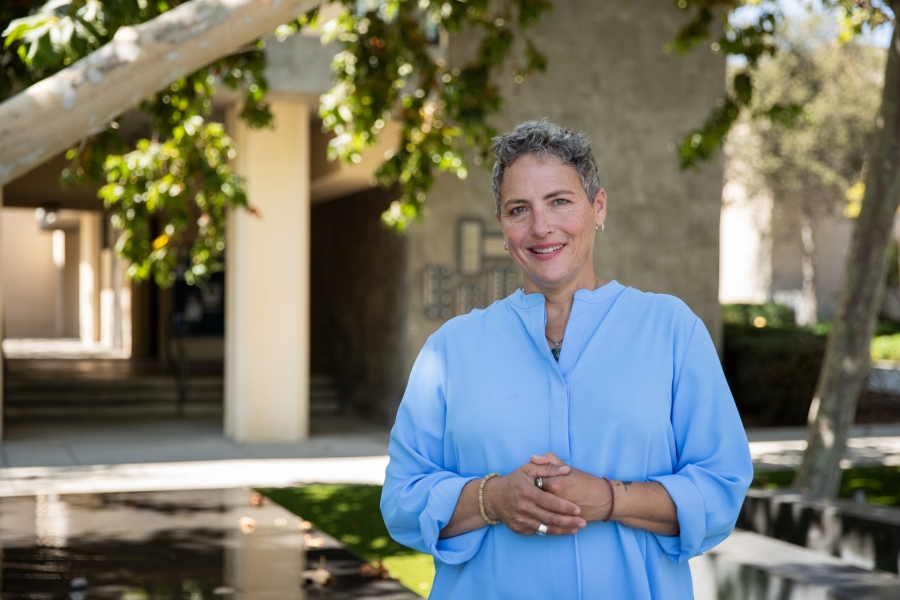
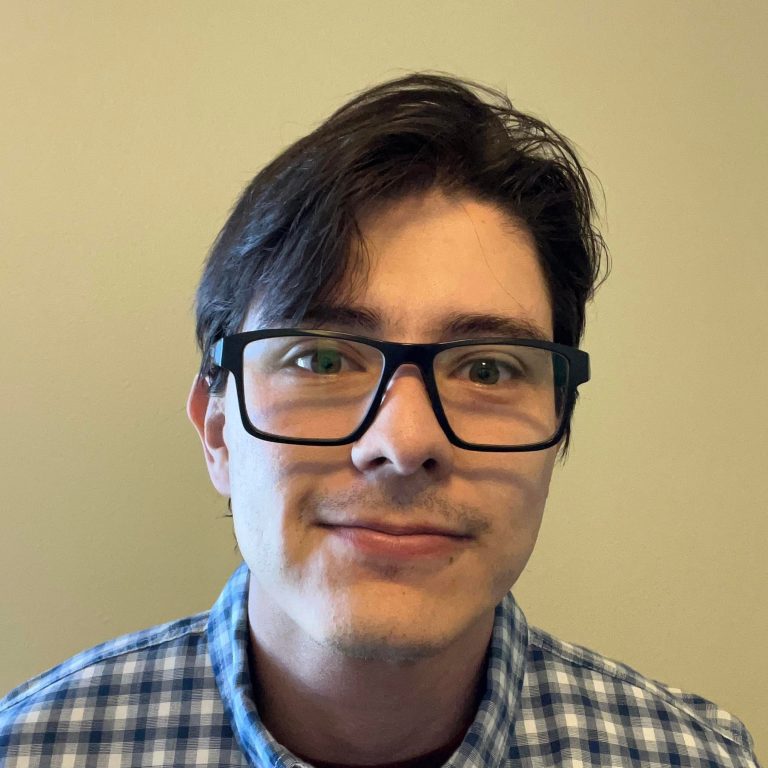
Juan Carlos Ruiz Malagon is a Ph.D. candidate in public health UC Irvine. His research interests lie in structural determinants of health, health injustices among minoritized populations, and Latiné marginalized communities.
The Katherine and Robert Phalen Endowment is intended to highlight and support doctoral students whose current laboratory research shows future promise for preventing, treating, or understanding human disease. Malagon has been named the 2024 recipient of this fellowship.
This fellowship allows me to engage in meaningful work without worrying about the financial constraints that come with being first-generation/low-income.
Get To Know Juan Carlos Ruiz Malagon
I am a first-generation/low-income second-year doctoral student in the University of California, Irvine Public Health program. I center my work on qualitative methodologies and community partnerships to work towards justice-oriented health and social outcomes for minoritized communities. Currently, I am working on projects looking at the impact of gun violence on farmworker well-being, ways to reduce workplace violence for farmworkers, the social outcomes of immigration trauma on Latiné immigrants, and the impact criminalization has on HIV preventative care for transgender Latinas. From 2021 to 2023, I was a graduate fellow for the UCLA Latino Politics and Policy Institute under the Research Department. My projects in the role ranged from issues on telehealth access among minoritized patients of color, especially low-income Latiné people, to a research study examining the impact COVID-19 had on small businesses operated by BIPOC individuals in California, Arizona, and Texas.
What this Fellowship Means To Me:
This fellowship allows me to engage in meaningful work without worrying about the financial constraints that come with being first-generation/low-income. The award enables me to continue my community-engaged work while simultaneously allowing me to pay educational expenses. Without support such as this award, students like me could not pursue meaningful educational endeavors.
Grad Hooding Q&A – Laze Paper Prize Winner Mackenzie Christensen
- Post author By Sean Collins
- Post date June 6, 2024
Grad Hooding Q&A – Muhammad Twaha Ibrahim
- Post author By Sean Collins
- Post date June 5, 2024
Muhammad Twaha Ibrahim, PhD, Computer Science
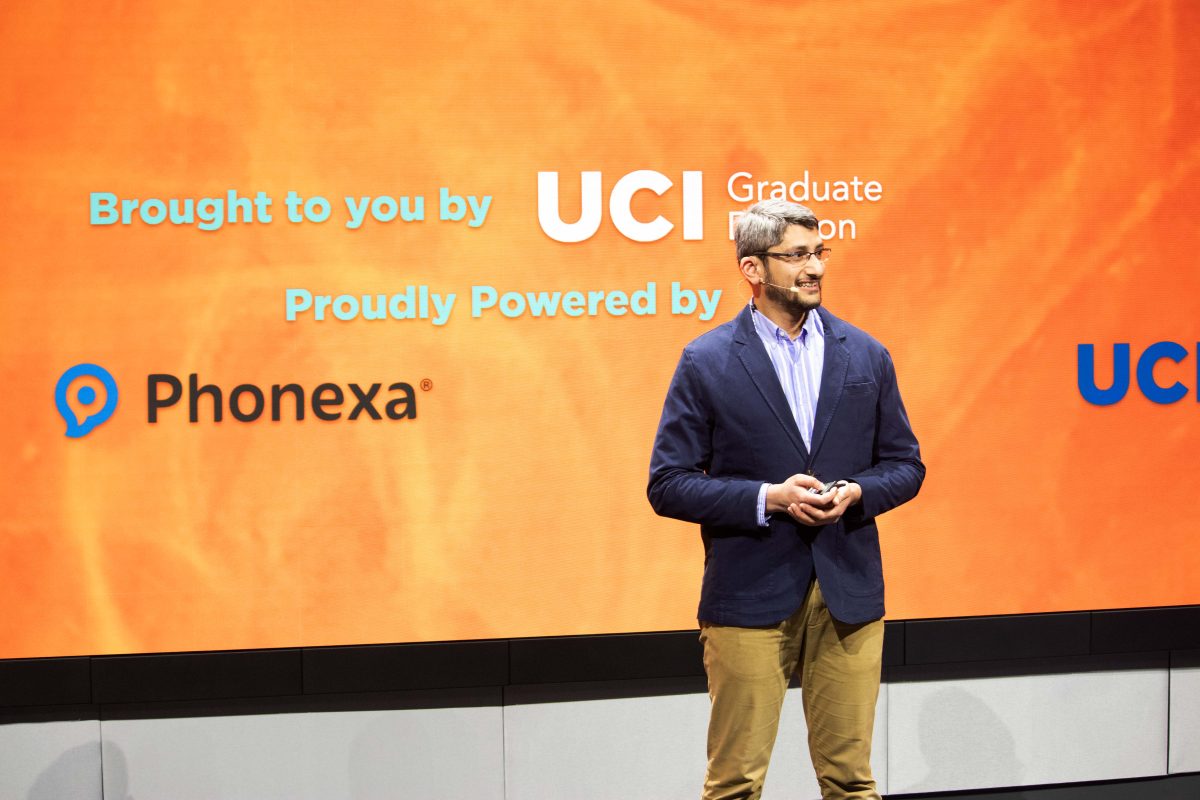
Muhammad Twaha Ibrahim is a research engineer and will graduate with a PhD in Computer Science on June 15 in the Bren Events Center. He will also be the student speaker during the Grad Hooding Ceremony.
His research is in Spatially Augmented Reality, which uses projectors to illuminate objects of any shape and size and completely transform their appearance. He has also been collaborating with plastic surgeons from UCI Health to apply his research in the surgeries by illuminating surgical sites using projectors. And last month, he successfully ran his system on a real patient in the OR. He was also the UC Irvine Grad Slam Champion of 2023. While his research technology transforms the appearance of objects, he looks back and reflects how much technology has transformed the world since he started at UCI.
What is your favorite memory at UCI?
“He’s going to win before he graduates.” Hearing Dean Gillian Hayes announce me as the winner of UCI Grad Slam 2023 has to be my favorite memory at UCI. It took me four attempts until I finally won. But winning that competition meant a lot more to me, beyond just professional growth or being the champion. To me, it created an important paradigm shift: failure is not a lack of success, but a learning opportunity. True failure is not trying when you have the chance.
What are your plans after graduation?
I will be joining Summit Technology Laboratory, a local startup company where I will continue working on my research. I will also continue collaborating with the plastic surgeons from UCI Health to improve and enhance the medical application of my research.
Failure is not a lack of success, but a learning opportunity. True failure is not trying when you have the chance. – Muhammad Twaha Ibrahim
I really want to start my own company at some point! That’s one of the many awesome things that UCI encourages its students to do. And I really want to advance the medical application of my research. I truly believe it has enormous potential to transform surgery across the world.
My advisor, of course! Dr. Aditi Majumder. I feel very blessed to have had her as my advisor. Beyond just research and academics, she has been enormously supportive throughout my studies and has taught me many important life lessons, including that life will close many doors in your face, but with every door that is shut lies an opportunity to look for other open ones.
The importance of networking! Having a good professional network can make a huge difference in our professional lives. Kudos to our Graduate Division that works really hard to help us students develop such a network!
Grad Hooding Q&A – Michael J. Donaldson
- Post author By Sean Collins
- Post date May 30, 2024
Grad Hooding Q&A – Neil Nory Kaplan-Kelly
- Post author By Sean Collins
- Post date May 30, 2024
Get to Know Our 2024-25 Fulbright Awardees
- Post author By Sean Collins
- Post date May 22, 2024
The Fulbright U.S. Student Program expands perspectives through academic and professional advancement and cross-cultural dialogue. Fulbright creates connections in a complex and changing world. In partnership with more than 140 countries worldwide, the Fulbright U.S. Student Program offers unparalleled opportunities in all academic disciplines to passionate and accomplished graduating college seniors, graduate students, and young professionals from all backgrounds. Program participants pursue graduate study, conduct research, or teach English abroad.
These five graduate scholars are the Fulbright awardees from UC Irvine.
Temitope E. Famodu
This research project considers how the embodied experiences of Nigerian students in postsocialist Hungary navigate and make place during their educational experiences at the University of Debrecen, Hungary. Through this project, I hope to learn more about the transnational relational networks that underpin the education-migration pipeline from Nigeria to its global diasporas. By studying how a place is constructed through multiscale relations – among individuals, institutions, and built and natural environments – I hope to spatialize the processes of connection that have sustained Nigerian student migration for decades. In so doing I consider how thinking with and about Blackness from geographies typically not associated with the African diaspora, tells us about the study of Black geographies at large. What happens when we think about the deep and rich scholarship put forth about Black placemaking through the specificities of the production of race and whiteness in post-socialist spaces? Whether or not you are a student who has traveled from Lagos to Debrecen for college, the social and spatial relationships that punctuate our livingness provide insight about how people navigating and building systems shift our geographic futures in potentially unexpected ways.
Max Garduño
My Fulbright project proposes to conduct cognitive assessments and in-vivo miniscope (miniature microscope) brain recordings of the degu, a rodent endemic to Chile that is a natural model for Alzheimer’s disease (AD). I will be joining Dr. Patricia Cogram’s lab in Chile’s Institute of Ecology and Biodiversity during my time as a Fulbrighter. A battery of behavioral tests will be used to identify cognitively healthy and impaired degus, which will be followed up with in-vivo miniscope recordings of cellular activity in the degu hippocampus, an area of the brain involved in learning, memory, and spatial navigation that is severely affected in AD. These results will provide novel insights into degu cognitive states, their correlated hippocampal cellular activity patterns, and hopefully contribute to a better understanding and treatment of AD.
Bermet Nishanova
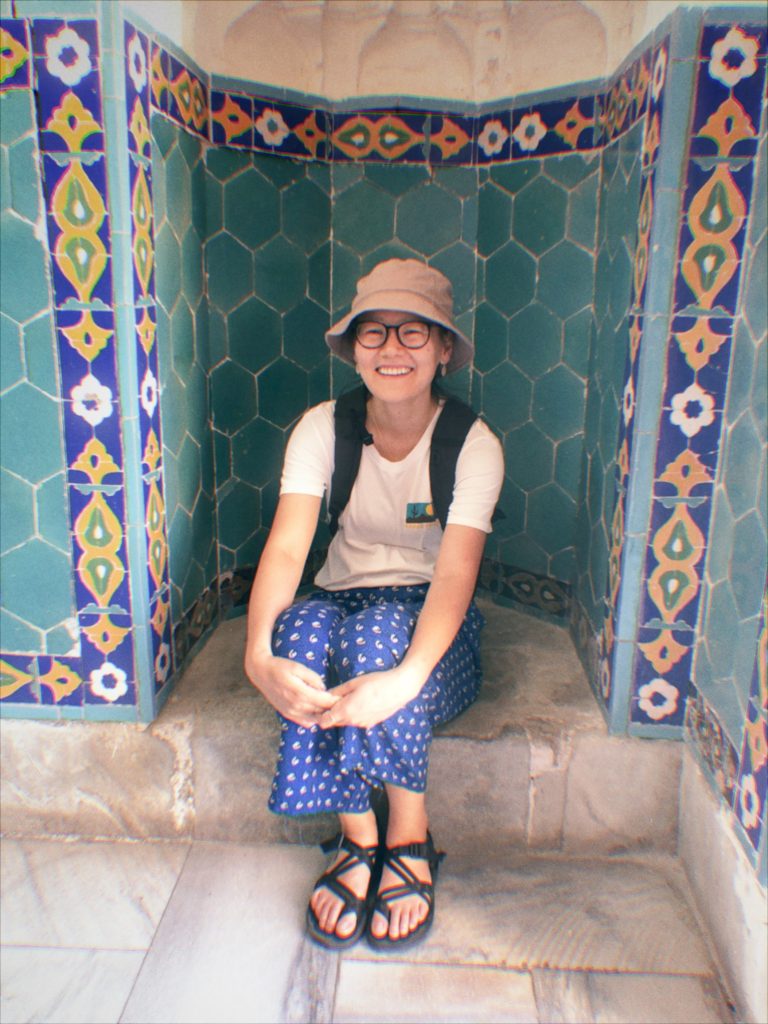
Bermet Nishanova is a Ph.D. student in Visual Studies, specializing in medieval Islamic textiles from Iran and Central Asia. Her project focuses on the intermedial connections between textiles and other artworks, such as architecture, paintings, sculptures, and texts, expanding the scope of traditional studies of Central Asian Islamic textiles, which examine these works within various economic and socio-political frameworks. As a Fulbright scholar in Uzbekistan, she will examine textile collections at the State Museum of History and the various archival records at the National Center of Archaeology. She also plans to visit different medieval Islamic architectural sites and ongoing archaeological excavations in Samarkand and elsewhere.
Nathaniel Pigott
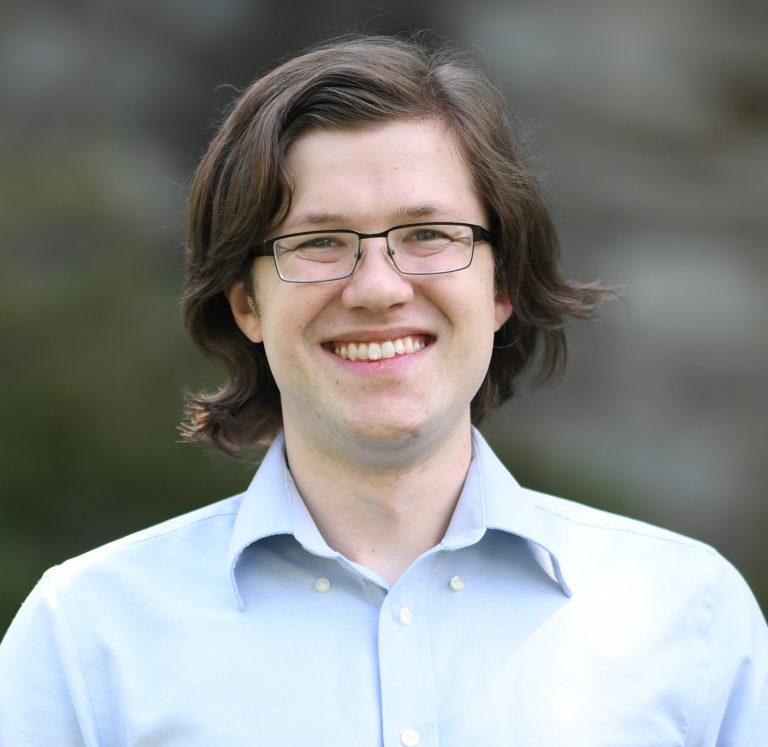
Nathaniel Pigott is a third year graduate student in the UCI history department studying modern Chinese history. He graduated from Trinity University in 2020 with a BA in Chinese language and was awarded a Teaching English Fulbright to Taiwan in 2021. Nathaniel’s research interests include the history of sport, discipline and techniques of the body, and intellectual history. His dissertation project, “Stateless Sport: Ping Pong in the Republic of China,” traces the origins of ping pong’s popularity in the rapidly modernizing China of the 1920s and 30s. He was awarded a Research Fulbright to Taiwan for the 2024-25 academic year to conduct dissertation research through the Institute of Modern History at the Academia Sinica in Taipei, Taiwan.
Sophie Mariko Wheeler
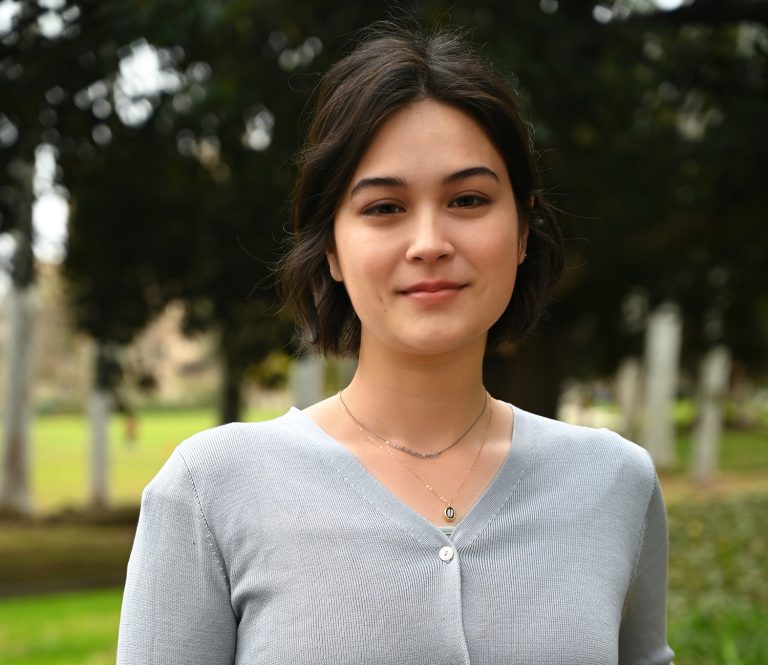
Sophie Mariko Wheeler is a third year PhD student in the department of East Asian Studies. Their research largely focuses on modern Japanese literature and environmental humanities. During their Fulbright, Sophie will research how Indigeneity is expressed in modern Japanese literature through kikigaki, a genre of Japanese literature meaning ‘to listen and write.’
We know that getting through graduate school takes a lot of effort, so we provide support to our students along the way. Many of Graduate Division’s wellness and inclusion services can help you maintain your work/life balance. At UCI, we believe that healthy Anteaters are productive Anteaters.
We offer academic support, equity and inclusion support, time management strategies, tools to master effective communication skills, strategies for navigating professional and academic expectations in graduate school and referrals to campus services.
Our counselors, Dr. Phong Luong (P) and Kaeleigh Hayakawa (K) took some time to answer questions we received from a Q&A session we had on Instagram.
K: When we’re managing a lot of stress or pressure, it can feel difficult to maintain and prioritize our well-being. In these moments we need to keep in mind that we can only do our best when we give our bodies and minds the tools and resources to do so.
K: Appointments with Phong and Kaeleigh can be held in-person or virtually over Zoom, depending on the student or postdoc’s preference and needs.
P: We partner with all UCI departments and schools to offer wellness workshops focused on stress management, challenging Imposter Syndrome, cultural wellness, conflict management, yoga, and more. We also work with our own GPSRC and the POWER Initiative to offer wellness workshops throughout the year.
P: A student can expect a supportive conversation focused on stress management in an academic setting, communication development, and work-life balance. We also assist students who need help managing challenging academic situations and creating a connected network of resources.
Do you have any books or apps you recommend for mental health?
P: My podcast recommendation is The Happiness Lab.
Dr. Laurie Santos of Yale University, the host of this academic podcast, believes she can help us find our happiness by sharing inspirational stories. This podcast is based on the psychology course she teaches at Yale. She aims to explain how our minds work by sharing evidence-based insights.