
Grad Slam 2026 Finalists
Grad Slam is a systemwide competition that showcases and awards the best three-minute research presentations by graduate scholars. This competition not only highlights the excellence, importance and relevance of UCI graduate scholars and their research, but it is also designed to increase graduate students’ communication skills and their capacity to effectively present their work with poise and confidence. It is an opportunity to share accomplishments with the campus, friends of UCI, the local community, and the broader public. This year’s edition of Grad Slam will be virtual, from the semifinals all the way through UC Systemwide Finals. See below to meet our 10 2026 UCI Grad Slam finalists!

First-Place Finisher
Cutting off cancer’s escape routes: a single drug that stops resistance
Cancer has a frustrating talent: it learns. A treatment can work well at first, but cancer cells constantly search for new ways to survive, slipping out through biological side doors we did not even realize were open. This ability to adapt, to outmaneuver even our best therapies, is one of the biggest reasons cancer remains so difficult to treat.
My research asks a question that sits at the heart of this problem: What if we could stop cancer from adapting in the first place?
I study a new kind of drug designed around a simple but powerful idea. Instead of blocking just one weakness in a tumor, this drug shuts down several of cancer’s escape routes at the same time. I often picture cancer cells as expert escape artists: close one door and they are already crawling out through another. Healthy cells, however, can slow down and conserve energy, almost as if they were settling into a hibernation state, which protects them. Cancer cells never take that break. When all their escape routes close at once, they hit a dead end.
To test this idea, I developed a rapid method to force cancer cells to evolve resistance within just a few months, a process that generally takes six months to one year, and applied it across seven different cancers using multiple standard treatments. These were cells that should have been incredibly difficult to kill. But when I exposed these drug-hardened cells to the new compound, something surprising happened: every single one failed to develop resistance. Even the most stubborn cells were just as vulnerable as they were on day one.
Now I am tackling another challenge. Some cancers survive treatment by slowing their metabolism, entering a low-energy state that makes them harder to eliminate. I am investigating whether this drug can close that escape route, too.
If it can, we may not need more complicated treatment combinations. We may only need a smarter one, a single drug that cancer simply cannot outthink. A therapy that lasts longer, causes fewer side effects, and keeps working even as the disease tries every trick it knows.
That is the future this research points toward: one where cancer runs out of places to hide, and patients gain far more time on their side.

Second-Place Finisher
HIV’s Last Wake Up Call
Human immunodeficiency virus (HIV) remains a global health concern. 40 million people are currently living with HIV, and another 40 million have died of acquired immunodeficiency syndrome (AIDS)-related diseases such as certain cancers and diabetes. Despite major advances in anti-HIV medication that prevent HIV spread, saving millions of lives, dormant infected cells remain a significant barrier to developing a cure. HIV can hide in these cells for decades, allowing it to reactivate once someone stops taking medication. Thus, a true HIV cure requires complete removal of all dormant infected cells.
Our lab studies the “kick and kill” strategy, a two-pronged approach where a drug first “kicks” HIV awake from dormancy. Anti-HIV medication taken at the same time ensures awakened HIV cannot replicate, while the immune system recognizes and kills the cell. The ideal drug possesses three critical traits: awakens HIV, doesn’t hurt healthy cells, and helps kill infected cells. We’ve already identified promising drugs that fulfill these criteria and are on our way to continue improving them. By doing so, we can gain a better understanding of how HIV persists while contributing to innovations in therapeutic approaches, with the hopes of ultimately achieving a more accessible cure for HIV.

Third-Place Finisher
When Wireless Signals Become Our Eyes: Teaching the Next Wireless Network to Understand the World Around Us
When we send a text or watch a video, wireless signals quietly carry information through the air. Today, those signals only do one main job: keeping us connected. My research explores how to give these same invisible waves a second job: helping wireless networks “see” the world around us. I use artificial intelligence to train future wireless systems (what many people call 6G) to notice patterns in the signals that bounce off cars, drones, and even people in motion. Instead of adding new sensors or cameras everywhere, we reuse the networks we already rely on. This could make roads safer, help find people in disasters, and improve how robots or drones move through crowded spaces. In short, I am working on turning everyday wireless networks into a powerful new tool for awareness and safety.

The Potassium Movie
Deviations from normal potassium levels can cause irregular heartbeats, heart attacks, and even death. Patients with kidney disease, cardiovascular disease, and people taking certain medications commonly have potassium levels that become dangerously too high or too low. Even worse, potassium often changes without symptoms and many patients only discover the problem after they have been hospitalized.
I am developing a continuous sensor that is about the size of a few strands of hair, is inserted under the skin, and can monitor potassium for several days. The sensor will alert patients when their potassium levels are too high or too low so they can get medical treatment before they end up hospitalized, transforming how we care for these patients and ultimately saving lives.
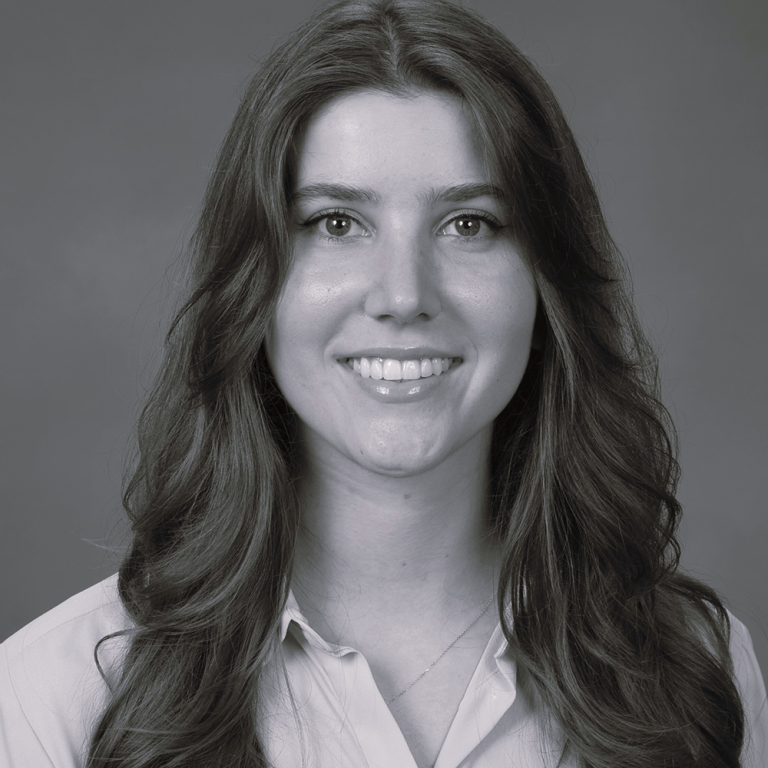
Going With the Flow: What Brain Blood Flow Can Tell Us About Alzheimer’s
Alzheimer’s disease affects millions of families, yet we still don’t fully understand why it develops or how to spot it early. Most people think of Alzheimer’s as a disease of memory, but the brain is also an organ that depends on a steady supply of blood, like a city depends on roads delivering food and fuel. If that delivery system changes, brain cells may struggle long before symptoms appear.
My research focuses on the brain’s “delivery system”: blood flow. I use a type of MRI scan called Arterial Spin Labeling (ASL) that can measure blood flow safely and painlessly, without contrast dye, needles, or radiation. The method works by briefly “labeling” blood as it enters the brain and tracking how quickly it travels in different areas, almost like placing a temporary, invisible tracer on the body’s own blood.
By measuring blood flow and comparing it with memory and other signs of brain health, my goal is to understand when blood-flow changes happen in Alzheimer’s and what they might predict. If we can identify a reliable blood-flow pattern linked to Alzheimer’s risk, it could offer a more accessible way to monitor brain health early, when interventions have the best chance to make a difference.

“Uncrushable” – Toughening material architectures in an incredibly tough beetle
Examination of natural organisms offer a wealth of information to further our own understanding of novel innovations. Phloeodes diabolicus, colloquially known as the Diabolical Ironclad beetle (DIB), is native to southern California and often described as “uncrushable” as it features a remarkable ability withstand up to 39,000 times its own body weight. The elytra of the DIB is built from inherently weak materials that are assembled at multiple length scales to provide significant strength and toughness. Inspired by the sutural architectures within their elytra, we have created bioinspired mimics of these architectures to reveal nature’s secrets to apply them to engineering challenges. Our findings provide valuable insights towards the manufacturing and validation of biomimetic analogs that take advantage of multiscale beetle architectures to maximize their mechanical performance. In addition, we hope that our work will be able to inform the self-assembly of structural materials going forward.
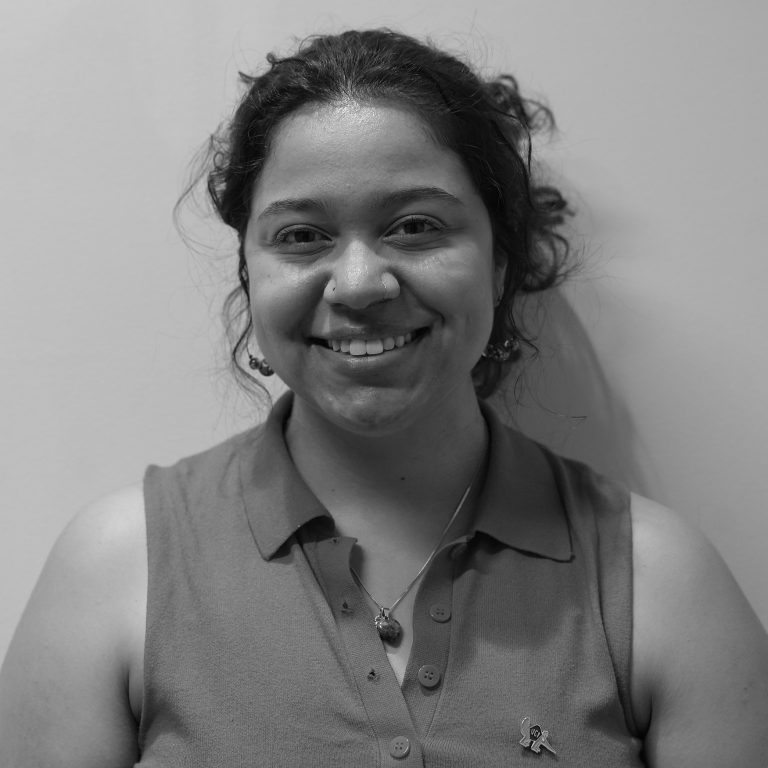
Bridging the (Depth) Gap: Quantifying Rooting Depth to Predict Plant Water Stress
California spends billions of dollars each year on irrigation and wildfire response, yet we still struggle to predict when plants are truly running out of water. As the climate warms, the air pulls more moisture from plants and soils, increasing stress on crops and natural ecosystems. However, we see plants often continue to grow even when surface soils appear completely dry.
This project explores where plants actually get their water. Most measurements only capture moisture in the top layer of soil, but many plants have roots that reach much deeper. By combining ground-based observations, computer models, and satellite data, I identify how deep plants access water and how this depth affects their ability to cope with hotter, drier conditions.
Understanding how plants use deep water will improve predictions of crop stress, irrigation needs, and wildfire risk across California. These insights can help farmers, land managers, and fire agencies use water more efficiently and prepare ecosystems for a changing climate.

Small Dollar Donations versus Big Trends
In the 2018 and 2020 election cycles, a record-breaking number of candidates from marginalized groups, considered by many to be political outsiders were elected to Congress. Despite these record-breaking numbers, there has bit little systematic evaluation of how other kinds of outsider candidates faired in these election cycles. There has also been little empirical research on how candidates from certain backgrounds may be more likely to rely on certain kinds of campaign donations. Using FEC data from 2014-2020, I analyze if grassroots, small dollar donations (donations often obtained by political outsiders) were indicative of electoral success as compared to donations from PACs and interest groups. I find that an increased presence and percentage of PAC and interest group money is associated with candidates winning a higher percentage of the vote share in their election. Conversely, a higher percentage of small dollar donations leads to a decrease in a candidate’s percentage of the vote share in their election. More importantly, I find that female candidates and candidates of color are more likely to be the ones funded by small dollar grassroots donations.

Born on Time: Preventing Preterm Birth with a Smartwatch
Preterm birth, defined as labor before 37 weeks of pregnancy, is one of the leading pregnancy complications and a major cause of newborn death worldwide. About 13.4 million babies are born prematurely each year, roughly 1 in 10 births. According to the WHO, approximately one million newborns die annually from complications of preterm birth, and up to 75% of these deaths could be prevented with effective interventions. Preterm birth also places a substantial financial burden on families, healthcare systems, and insurers, with direct medical and related costs averaging $50,000–$65,000 per preterm infant in the U.S. Despite its significant impact, the exact causes of preterm birth remain unclear, making prevention the most effective strategy.
The central nervous system plays a key role in regulating the physiological changes that occur during pregnancy to support the developing fetus. These changes are normally synchronized with the body’s circadian clock, the internal timekeeping system that regulates daily biological rhythms. The circadian clock is influenced by internal factors such as genetics, sleep, and physical activity, as well as environmental factors like light and the day–night cycle. When this synchrony is disrupted, it can increase the risk of pregnancy complications—including preterm birth. Each complication produces distinct patterns of disruption that can be detected from physiological signals.
In my research, I extract biomarkers related to central nervous system regulation from data collected by smartwatches and monitor how these biomarkers align with circadian rhythms. If a pattern associated with preterm birth is detected, both the pregnant individual and their healthcare provider can be notified to plan timely preventive interventions aimed at reducing the risk of preterm birth and restoring circadian synchrony.
This work is the first to create a non-invasive, continuous, and accessible way to monitor maternal health and predict complications based on circadian rhythms before clinical symptoms appear. Ultimately, this approach could allow clinicians to intervene earlier, reduce pregnancy complications, prevent avoidable neonatal deaths, and lower healthcare costs for families, healthcare systems, and insurers.
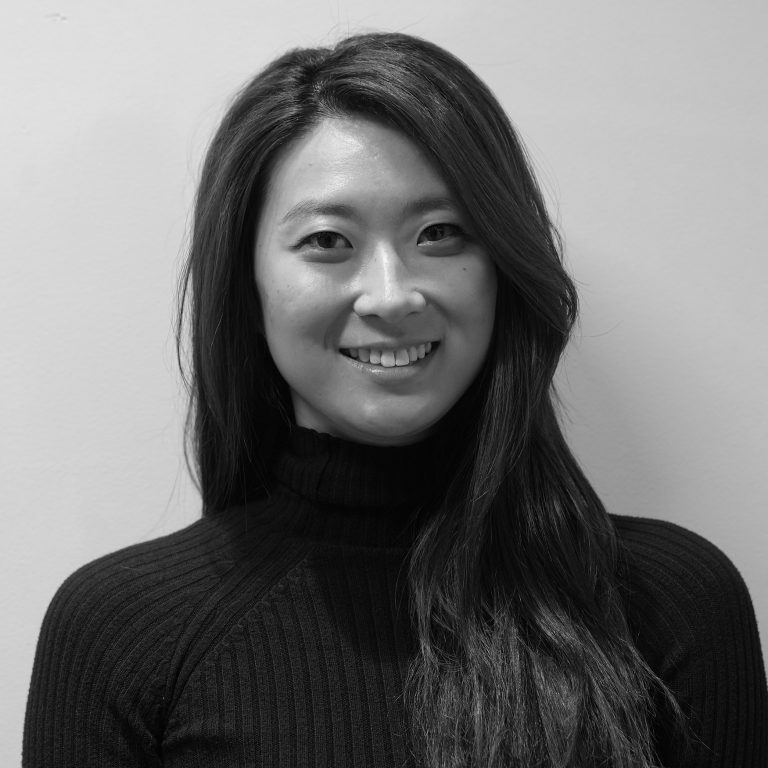
Unlocking the Secrets of Depression: How Loneliness Rewires the Brain
Hippocampal disturbances contribute to memory and cognitive issues in Major Depressive Disorders (MDD). To advance treatment strategies, we must understand how depression alters circuit-level operations in this structure. Our study reveals that a depression-like syndrome in mice disrupts information flow across the primary hippocampal circuit by interfering with low-pass filtering in a network node.
Single-housing young adult mice for 7-10 days reduced social interactions, increased despair-like behavior, eliminated novelty preference, and impaired temporal encoding. The lateral habenula, involved in depression, also showed unusual activity in single-housed mice.
In group-housed mice, cortical input at theta frequency (5Hz) transmitted with minimal distortion to CA1 output in hippocampal slices. However, there was a pronounced reduction in CA1 response to beta (25Hz) and gamma (50Hz) frequencies. This low-pass filtering was markedly reduced in single-housed mice.
Signal transformations were normal at the first circuit stage in single-housed mice, but beta filtering was lost within field CA3. We conclude that depression-like phenotypes interfere with inhibitory regulation of recurrent excitatory activity within CA3, disrupting hippocampal signal processing. This research provides insights into circuit-level changes in depression and potential targets for treatment development.
Networking Ambassadors
For the first time, we honored the third and fourth place finishers in each of the five semifinal heats as Networking Ambassadors. These 10 students garnered invitations to attend the UCI Grad Slam Finals. Not only do they get to attend the event but also have the opportunity to network with their fellow attendees.
Mihoka Fukurai – Joe C. Wen School of Population and Public Health
Aria Gaston-Panthanki – School of Education
Matthew Heshmatipour – Joe C. Wen School of Population and Public Health
Timothy Johnsen – Henry Samueli School of Engineering
Julie Loritsch – Charlie Dunlop School of Biological Sciences