
Grad Slam 2026 Semifinalists
Grad Slam is a systemwide competition that showcases and awards the best three-minute research presentations by graduate scholars. This competition not only highlights the excellence, importance and relevance of UCI graduate scholars and their research, but it is also designed to increase graduate students’ communication skills and their capacity to effectively present their work with poise and confidence. It is an opportunity to share accomplishments with the campus, friends of UCI, the local community, and the broader public. This year’s edition of Grad Slam will be virtual, from the semifinals all the way through UC Systemwide Finals. See below to meet our 10 2025 UCI Grad Slam finalists!
Heat One
Coordinating Embryonic Development with Cell Division
Our bodies are made up of trillions of cells with different jobs, shapes, and sizes. But we all start the same, with just one cell: the fertilized egg. So how do we go from one cell to trillions? This requires two important processes to occur in the early embryo. First, the fertilized egg undergoes hundreds of thousands of rounds of cell division that require precise timing and organization. Along the way, newly made cells begin to adopt specific traits and functions, a process known as “cell differentiation”. Combined, the efforts of division and differentiation intertwine to allow us to develop our bodies and for the growth necessary for life.
The roles of both division and differentiation are distinct and are thought to rely on separate sets of genes. In my work, I am attempting to link these processes to determine what coordinates early development. Excitingly, I have found a gene that is activated at the start of embryonic development and is needed for both cell division and cell differentiation. The gene, known as Cyclin B3, acts as a key missing link connecting the two processes. In the future, I hope to better understand how Cyclin B3 works in both division and differentiation to kick off early embryonic development. The findings from my project could revolutionize how we view development and shed light on the causes and origins of developmental disorders.
East Meets West: Integrating Acupuncture into Modern Health Care to Improve Brain Health in Cancer Survivors
Cancer survivors often experience ongoing problems, such as difficulty concentrating, fatigue, and trouble sleeping, as residual effects after completing cancer treatment. While there are existing treatments that can help with each individual symptom, there are few options that can treat all the symptoms simultaneously. Electroacupuncture (EA), which combines traditional acupuncture with gentle electrical stimulation, has been a widely researched treatment that shows promise in managing concurrent symptoms in cancer survivors who experience negative long-term effects from cancer treatment. In our clinical trial conducted between 2022-2025, 64 cancer survivors in Southern California underwent an EA treatment once a week for 10 weeks, where we measured changes in health outcomes, such as attention, fatigue, sleep, and emotional well-being. We also measured changes in brain function using brain scans and collected participants’ blood samples to provide a basic understanding of which mechanisms could be influencing the persistence of the symptoms of interest. Our results suggest that a tailored EA treatment can improve brain-related symptoms experienced by cancer survivors.
Curing Chemobrain with stem cell-derived nano-care packages
Currently there are approximately 3 million breast cancer survivors in the U. S. suffering from cancer-related cognitive impairments (CRCI), a.k.a. chemobrain. Chemobrain has a significant impact on survivors’ quality of life (QOL). Some of the main symptoms of chemobrain include disrupted memory formation and recollection, difficulties with complex decision making, impaired attention span, and a decreased ability to process information. Stem cells have a great regenerative potential, they can be thought of as the body’s original code since they haven’t committed to becoming one specific cell type and they can make many copies of themselves. As stem cells happily grow, they release extracellular vesicles (EVs) or ‘care packages’. These nanoscale ‘care packages’ are filled with beneficial proteins and RNAs that are derived from the stem cells. Our lab has previously shown the protective ability of human neural stem cell-derived-EVs (hNSC-EVs) to alleviate cognitive impairments in mice following radiation therapy for the brain cancer. In the current study, we tested the ability of hNSC-EVs for alleviating chemobrain in a breast cancer-bearing mouse model. Behavioral testing and fluorescent staining of mouse brains were conducted to evaluate the neuroprotective benefit of the EV treatment on cognitive function, long-term inflammation in the brain, neuron health and synaptic activity or plasticity that eventually forms memory. Chemotherapy-treated breast cancer mice showed cognitive symptoms of chemobrain, increased neuroinflammation, and a loss in synaptic integrity. Conversely, chemobrain-bearing mice treated with hNSC-EVs showed improvements in cognitive function, synaptic integrity, neuronal function, and a decrease in neuroinflammation. Through investigation of the RNA content of EV-derived cargo, we have identified the genetic material (microRNAs) that we believe to be responsible for this neuroprotective benefit. Our research provides a promising stem cell-based regenerative therapy to alleviate this major quality of life issue in breast cancer survivors.
MADEST: Multi-Agent Debate Essay Scoring Triangulation
Grading student essays is one of the most important tasks in education. Even experienced teachers often disagree on scores, and students can wait days or weeks for feedback. While artificial intelligence can score essays quickly, most AI systems rely on a single “judge” that can miss important details and tends to give safe, middle-of-the-road scores.
My research introduces MADEST, a system where multiple AI agents debate an essay before assigning a score. One agent argues for the essay’s strengths, another challenges its weaknesses, and a third weighs both sides to reach a final decision. This structured debate helps the system see writing from multiple perspectives, similar to how human graders reason.
The result is a more balanced, reliable essay scoring that better matches human judgment. By showing how AI systems think together matters, this work points toward fairer, more transparent uses of AI to support teachers and students.
Duet for Flute and Video Game
Have you ever wondered what playing a game and performing improvised music have in common? They may seem like completely different activities, but they are similar in many ways. In both, someone sets up the rules to guide how people reach their goals. These rules can be communicated through written instructions, pictures, or even live demonstrations. Once everyone understands the rules, they bring them to life in their own unique way, making each experience one-of-a-kind.
Since 2023, I have been designing a video game centered upon the idea that the exploratory nature of gameplay can serve as a framework for performing improvised music. Over the course of its development, I have frequently demonstrated and tested my experiment in live performance: A duet where one person performs live on an acoustic instrument (usually myself on flute) and another plays the video game. Through the design of this game, music performance becomes gameplay and gameplay becomes music. This is made possible through rules original to this game that focus on musical improvisation. The interactions between the acoustic instrumentalist, the game player, and the changes in the game environment are key elements of this project. Through this lens, we will examine why and how people play.

Responsible and Trustworthy Synthetic Data for Health
My research develops causal AI and fairness-aware generative models that advance personalized health, digital therapeutics, and equitable healthcare delivery. Across my publications in personalized nutrition, digital health, causal inference, and fairness-aware synthetic data, I build systems that move beyond correlational prediction toward causal understanding, equitable decision-making, and real-world clinical impact. The novelty of my work lies in integrating causal reasoning with large language models (LLMs) and health monitoring systems to support precision interventions while ensuring fairness, explainability, and scalability—key challenges in socially responsible AI.
A central innovation in my current research is the development of fairness-aware synthetic data frameworks that simultaneously optimize statistical fidelity, causal structure, and fairness constraints. Real-world health datasets remain siloed, biased, and privacy-restricted; synthetic data offers a pathway to democratize access while mitigating historical inequities. I led the design of two methods—one LLM-guided and one combining counterfactual+causal fairness—that reduce algorithmic bias by large margins while preserving utility using only a small fraction of real data. This work has been disseminated through peer-reviewed venues in machine learning for health and has recently been accepted to the Stanford Causal Science Conference, underscoring its novelty and relevance to the broader causal inference community.
“Uncrushable” – Toughening material architectures in an incredibly tough beetle
Examination of natural organisms offer a wealth of information to further our own understanding of novel innovations. Phloeodes diabolicus, colloquially known as the Diabolical Ironclad beetle (DIB), is native to southern California and often described as “uncrushable” as it features a remarkable ability withstand up to 39,000 times its own body weight. The elytra of the DIB is built from inherently weak materials that are assembled at multiple length scales to provide significant strength and toughness. Inspired by the sutural architectures within their elytra, we have created bioinspired mimics of these architectures to reveal nature’s secrets to apply them to engineering challenges. Our findings provide valuable insights towards the manufacturing and validation of biomimetic analogs that take advantage of multiscale beetle architectures to maximize their mechanical performance. In addition, we hope that our work will be able to inform the self-assembly of structural materials going forward.

Thicker Than Alcohol: Representations of Addiction in Latino Memoirs
Countless are the films and music videos that portray influential Mexican artists, mariachi bands, and machos with a bottle of tequila toasting to good times, to lost love, and even to death. However, while alcohol and drug consumption are prevalent in Mexican pop culture, addictions, family trauma, illness, and recovery are largely absent. That absence contributes to a culture of shame, stigma and silence.
I experienced this sense of shame growing up as my father struggled with alcoholism. It affected all areas of our life, from our family dynamics to mental and physical health. We observed him transform into another man when he was under the influence, only to pretend nothing happened the next day. And my family is not the only one. According to the National Institutes of Health, it is estimated that 19 million children in the United States grow up with a parent who has a substance use disorder.
My doctoral research focuses on two overarching questions. One – How is alcoholism and addiction represented in Mexican and Latino literature? And two – How do individuals and families cope with its challenges and find healing? I study memoirs as this literary genre depicts lived experiences of those who have battled addictions. Some of the texts I analyze include Luis J. Rodriguez’s Always Running (1993) and its sequel It Calls you Back (2011), Jean Guerrero’s Crux: A Cross-Border Memoir (2018), and Obed Silva’s The Death of My Father the Pope (2021). The common theme across these narratives is the constant presence of traumatic experiences across generations. I call this a “genealogy of alcoholism”, a process in which authors trace their family lineage and uncover intergenerational trauma, whether connected to violence, poverty, immigration or other precarious conditions. By tracing their family histories, these authors do more than document pain. They return to ancestral places, reconnect with cultural roots, and transform inherited trauma into understanding, forgiveness, and self-knowledge.
Life stories matter beyond literary studies. Personal narratives have become the object of study beyond the humanities and are increasingly incorporated into clinical practice as seen in narrative medicine and other forms of therapy. My research contributes to understanding the power of literature, especially stories written by Latino writers, which can serve as a powerful tool for healing, humanizing addictions, and breaking the culture of silence into one of empathy, community and healing
Social Cues and Season Influence Daily Patterns of Circadian Clock Genes
Transitions to seasonal reproductive behaviors are associated with changes in environmental photoperiods, or daily light cues, which are capable of influencing patterns of circadian gene expression. However, the influence of social cues, such as reproductive vocalizations, on the circadian clock remains unclear. We asked whether social cues could influence the daily expression patterns of clock genes (cryptochrome, period1, and period2) in reproductively active green treefrogs (Hyla cinerea). We field-collected reproductively active frogs and acclimated them to the lab for 14 days before transfer to individual housing. Frogs were then exposed to a recording of a wild green treefrog population, silence (no sound, negative control), or tones (irrelevant sounds, positive control). Within each acoustic treatment group, frogs experienced acoustic cues either in phase (during the night) or out of phase (during the day) with their natural activity pattern. Analysis of clock gene expression on whole brain samples demonstrates that hearing reproductive calls significantly influences the daily expression of the clock gene period2. Next, we compared the expression pattern of clock genes of breeding versus nonbreeding frogs. Our results show that the daily expression of cryptochrome and period2 in the brain varies between the reproductive and non-reproductive seasons. Collectively, these data reveal that reproductive social cues alter the expression of select clock genes. Our results further suggest that social cues can act as robust time-givers, aligning internal timekeeping mechanisms with reproductive opportunities. Seasonal differences in daily expression patterns suggest that environmental and social signals interact to regulate daily and seasonal internal circadian clocks.

Exploring Shifts in Extreme Precipitation Under a Warming Climate California and East Antarctica
Would it be nice if we knew when big storms, like extreme precipitation events, would occur, so we could plan for water resources? This kind of extreme precipitation, such as drought and flooding, is a rare event but has a significant impact on our society and economy. With a warming climate, modeling precipitation and predicting extreme precipitation remain challenging. My research investigates how extreme precipitation evolves in space and time and whether shifts are emerging under a warming climate, particularly in regions such as California and East Antarctica.
Looking at observation data, we found that in several regions of California, the frequency of extreme wet events has decreased; more specifically, the distribution shifts to the left, with fewer extreme wet events occurring in the late 20-year period. This is not explained by El Niño or La Niña.
Are extreme precipitation events behaving the same way in other regions, like East Antarctica? Looking at the region Queen Maud Land in East Antarctica, we found the complete opposite. In the later period, we observed more extreme precipitation in frequency and intensity.
The above results show that precipitation is a local phenomenon and that extreme precipitation can differ significantly from region to region. Together, under the warning of the climate, we see how extreme precipitation is behaving differently, more specifically, changing in distribution. These changes can dominate and reshape long-term outcomes. Knowing these changes in extreme precipitation will help us to plan adaptation and mitigation strategies.

When Wireless Signals Become Our Eyes: Teaching the Next Wireless Network to Understand the World Around Us
When we send a text or watch a video, wireless signals quietly carry information through the air. Today, those signals only do one main job: keeping us connected. My research explores how to give these same invisible waves a second job: helping wireless networks “see” the world around us. I use artificial intelligence to train future wireless systems (what many people call 6G) to notice patterns in the signals that bounce off cars, drones, and even people in motion. Instead of adding new sensors or cameras everywhere, we reuse the networks we already rely on. This could make roads safer, help find people in disasters, and improve how robots or drones move through crowded spaces. In short, I am working on turning everyday wireless networks into a powerful new tool for awareness and safety.
Heat Two
Teaching AI to Clean Messy Data: Making Better Decisions from Imperfect Information
Businesses make million-dollar decisions based on data, but what if that data is messy or wrong? Consider a hospital database with impossible patient ages, or customer datasets with missing email addresses.
Bad data leads to bad decisions: wrong diagnoses, failed campaigns, and wasted resources. Currently, cleaning data is tedious, time-consuming, and relies on human judgment. What if AI could do this automatically and better?
My research introduces an intelligent system using AI agents to automatically clean messy datasets. The innovation is that my system runs experiments to determine which cleaning approach leads to the best decisions. The system analyzes messy data and understands your goals, generates multiple cleaning strategies, and tests each one by measuring prediction accuracy to select the winner. The impact of this project is that the data cleaning process that previously took weeks now happens in minutes, with validated results. This enables faster decisions and allows organizations without data science teams to make data-driven decisions confidently.
Barriers and inequities in mobility-of-care: Evidence from a stated-preference study of California caregivers
Caregivers, especially those in rural areas, face unique challenges in managing the mobility needs of the people in their care. While most transportation research focuses on individual travelers, mobility-of-care trips remain underexplored. This study aims to assess the determinants of mode choice and trip-making behaviors among caregivers in California, focusing on mobility-of-care trips both for healthcare and social recreation. Using stated preference survey data from 349 caregivers (4188 observations) in California, collected in May 2025, we estimate an integrated choice and latent variable (ICLV) model to examine determinants of mode choice and trip-skipping behavior. Our findings reveal that travel cost, travel time, and wait time significantly affect decision-making across all modes, while walk time, cleanliness, and ADA accessibility exhibit significant mode-specific effects. Caregivers who are women or nonbinary or belong to households earning less than $15k annually are more likely to forgo mobility-of-care trips. Caregivers under the age of 35 and those who do not have a disability exhibit relatively higher well-being, and those with higher well-being are less likely to forgo mobility-of-care trips. This study offers recommendations for community-based transportation solutions tailored to the specific needs of caregivers and their recipients.

Don’t Forget the Meds: A Forgotten Essential in Disaster Response
In the wake of natural disasters, emergency response systems are designed to save lives, but they often fail to protect those living with chronic illnesses. From insulin and inhalers to hypertensive and seizure medications, access to daily prescription drugs is critical to health and survival. Yet during evacuations, many people do not take their medications, and post-disaster healthcare systems are not equipped to quickly fill the gap.
This project proposes a public health intervention model to ensure medication continuity for patients with chronic conditions during and immediately after disasters. The current system relies on delayed insurance authorization, damaged or inaccessible primary care networks, and, in return, overburdened ERs to address a predictable, preventable need. As a result, patients experience avoidable exacerbations of their conditions, placing additional strain on emergency services and increasing the risk of hospitalization or death.
The proposed idea involves strategic stockpiling of essential medications in evacuation centers and with rapid response teams; implementing logistics for temperature-sensitive drugs; and streamlining access to medications without requiring immediate insurance verification. This approach would be guided by local chronic disease epidemiology and operationalized through collaboration among public health agencies, emergency management, pharmacies, and healthcare providers.
This has the potential to be a scalable, evidence-informed idea that addresses a persistent gap in disaster response. As climate-related disasters increase in frequency and intensity, our capacity to deliver resilient, equitable healthcare too must. Ensuring access to daily medications isn’t just a logistical challenge, it’s a public health imperative.
Critical AI Literacy for Art
We live in a world where almost everyone carries a screen—and that means almost everyone is making technology decisions every day. We click “accept,” we trust recommendations, we share videos, we hand devices to kids, and we bring AI tools into our homes. But so much of what AI is doing is hidden. As AI-generated images and writing become more common—and AI-generated video becomes easier to create—the ability to spot, question, evaluate, and use AI critically is no longer optional.
The problem is that “AI education” is often treated like a luxury, offered mainly in English, or focused on how to use tools rather than how to think critically about them. This leaves many marginalized communities—especially families who don’t primarily speak English—without access to the kind of AI literacy that helps people recognize bias, protect their privacy, and make informed choices. AI systems can reflect and reproduce discrimination related to race, gender, and socioeconomic status, so equitable access to critical AI literacy is essential (Angwin et al., 2016; Buolamwini & Gebru, 2018).
What if AI literacy didn’t look like a long lecture or a tech tutorial? What if it started with community voice and used something culturally powerful—storytelling—as the learning engine? We partnered with Latine families from Santa Ana Early Learning Initiative (SAELI) to use AI to create concept art bilingual STEM e-books that were codesigned by the families. We taught to provide critical AI literacy learning that met families where they were, in the language and style that made sense to them. Using a multiliteracies framework, families developed both practical skills and critical awareness to question inequities embedded in AI systems (Cazden et al., 1996). Instead of only learning about AI, families used AI to create—develop concept story ideas, characters, and visuals— the bilingual STEM ebooks. Letting Latine families shape narratives empowers them to tell their stories authentically (Acosta & Haden, 2023) to uplift their children through ebooks geared at developing STEM engagement and skills. AI can help transform imaginative ideas into compelling visuals (Ng et al., 2021), and tools like image generators can support people in visualizing characters and settings for books (Long & Magerko, 2020). The result is a “learning-by-making” approach: families learn critical AI literacy skills while creating bilingual STEM e-books meant to empower their communities. In an AI-driven world, this work argues that critical AI literacy should be accessible and culturally grounded—so families are not just users of AI, but informed decision-makers who inspire artistic, colorful storybooks for their children’s STEM learning.

Do Apps Decide What You’re Worth?
We all are surrounded by a world full of apps and social media. While traveling to a conference recently, the wheel on my carry-on bag snapped. Minutes later, as I was describing the mishap to a friend over a call, my phone lit up with three Amazon ads for carry-on bags. Apps today influence what we choose to wear, the restaurants we choose to eat at, the things we buy and the media we consume. Let me take this one step forward: Do you think apps can determine what you earn? For around 5-15% of the US workforce that engages in digital app-based work, like driving for Uber or delivering for Doordash, this is the reality. What happens when an app can determine what tasks to offer you and what to pay you for these tasks? We see differences in pay among workers for the same task! Same ride, different pay. Same order, different pay. This is because these apps are doing more than just matching consumers’ demand with workers’ supply. In real time, they’re trying to figure out what is the minimum pay a worker is willing to accept for that order. Much like an app figures out that you probably need a new carry-on bag, or those shoes you’ve been eyeing on Instagram! By doing so, they’re charging each worker a personalized pay by inferring their underlying preferences for work. Imagine an Uber driver who likes to go to the airport to pick up rides. I see you like to go to the airports for rides? Okay! So you’ll probably accept an airport ride for much lesser than your peers. There you go! Same ride, lesser pay. This is called algorithmic wage discrimination and grips the digital economy today. What do we do about it? To do something about it, we first need to prove it exists. This is exactly where my research contributes. I present the first empirical evidence of algorithmic wage discrimination in the US and estimate its impact on the welfare of workers as well as the entire economy. I then propose policy recommendations to ensure that the gains generated by these apps are equitably split among platforms and workers. The digital age demands not just innovation in technology, but equally, innovation in how we ensure that prosperity is a shared endeavor.

What fruit flies can teach us about cancer
Our bodies work by turning genetic instructions into proteins that build and maintain our cells. This process follows the following flow: DNA is copied into RNA, and RNA is used to make proteins. Proteins are essential for forming our skin, bones, muscles, and for keeping our cells healthy.
Cancer can develop when mistakes occur in this process. These mistakes, called mutations, can disrupt how cells normally function. This research focuses on one key step: making proteins from RNA, a process known as translation. During translation, a structure in the cell called the ribosome reads the RNA sequence and then uses the sequence as a blueprint to build proteins.
When the ribosome does not work properly, such as when it carries a genetic mutation, protein production is disrupted. In humans, these types of mutations cause a rare disorder called Diamond-Blackfan anemia (DBA). People with this condition have a much higher risk of developing cancer, but the reason behind this is not fully understood.
To study this puzzle, we use the model organism – Drosophila melanogaster, or more commonly referred to as fruit flies, which share many important biological processes with humans. By mirroring human ribosomal mutations in fruit flies, we can study how mutations in the ribosome affect cells and make them more vulnerable to cancer.

Small Dollar Donations versus Big Trends
In the 2018 and 2020 election cycles, a record-breaking number of candidates from marginalized groups, considered by many to be political outsiders were elected to Congress. Despite these record-breaking numbers, there has bit little systematic evaluation of how other kinds of outsider candidates faired in these election cycles. There has also been little empirical research on how candidates from certain backgrounds may be more likely to rely on certain kinds of campaign donations. Using FEC data from 2014-2020, I analyze if grassroots, small dollar donations (donations often obtained by political outsiders) were indicative of electoral success as compared to donations from PACs and interest groups. I find that an increased presence and percentage of PAC and interest group money is associated with candidates winning a higher percentage of the vote share in their election. Conversely, a higher percentage of small dollar donations leads to a decrease in a candidate’s percentage of the vote share in their election. More importantly, I find that female candidates and candidates of color are more likely to be the ones funded by small dollar grassroots donations.
Born on Time: Preventing Preterm Birth with a Smartwatch
Preterm birth, defined as labor before 37 weeks of pregnancy, is one of the leading pregnancy complications and a major cause of newborn death worldwide. About 13.4 million babies are born prematurely each year, roughly 1 in 10 births. According to the WHO, approximately one million newborns die annually from complications of preterm birth, and up to 75% of these deaths could be prevented with effective interventions. Preterm birth also places a substantial financial burden on families, healthcare systems, and insurers, with direct medical and related costs averaging $50,000–$65,000 per preterm infant in the U.S. Despite its significant impact, the exact causes of preterm birth remain unclear, making prevention the most effective strategy.
The central nervous system plays a key role in regulating the physiological changes that occur during pregnancy to support the developing fetus. These changes are normally synchronized with the body’s circadian clock, the internal timekeeping system that regulates daily biological rhythms. The circadian clock is influenced by internal factors such as genetics, sleep, and physical activity, as well as environmental factors like light and the day–night cycle. When this synchrony is disrupted, it can increase the risk of pregnancy complications—including preterm birth. Each complication produces distinct patterns of disruption that can be detected from physiological signals.
In my research, I extract biomarkers related to central nervous system regulation from data collected by smartwatches and monitor how these biomarkers align with circadian rhythms. If a pattern associated with preterm birth is detected, both the pregnant individual and their healthcare provider can be notified to plan timely preventive interventions aimed at reducing the risk of preterm birth and restoring circadian synchrony.
This work is the first to create a non-invasive, continuous, and accessible way to monitor maternal health and predict complications based on circadian rhythms before clinical symptoms appear. Ultimately, this approach could allow clinicians to intervene earlier, reduce pregnancy complications, prevent avoidable neonatal deaths, and lower healthcare costs for families, healthcare systems, and insurers.
How to Run Drug Testing Experiments That Don’t Exist Yet
Everyone will need medicine at some point in their life. Yet developing a new drug often takes more than ten years and costs over one billion dollars. For rare diseases, this process is even slower, or never happens at all, while patients are left waiting and time continues to run out.
One reason is that the human body is incredibly complex. You can think of it as a small kingdom. Every cell, like a citizen in that kingdom, follows rules, sends messages, and relies on instructions stored in DNA to survive. On a healthy day, everything runs smoothly. Information flows, systems cooperate, and balance is maintained. But when disease strikes, communication breaks down. Signals become confused, regulations fail, and chaos spreads. When chaos breaks out, the first to respond are the body’s own defenders, like first responders trying to restore order. Sometimes they succeed. But when they cannot, the only option left is medicine.
Traditionally, new medicines are developed by first building disease models, often using simplified systems such as cells in a dish or genetically modified mice, and then testing drugs within those systems. While these models are useful, they cannot fully capture the complexity of the human body. Many drugs appear promising in the lab but fail in people, not because of mistakes, but because no model can perfectly represent how deeply interconnected human biology really is. Every failed experiment costs time that patients do not have.
Thanks to the generosity of research participants and funders, along with advances in technology, scientists have now collected enormous amounts of biological data directly from human samples. Some of this data has already led to important medical breakthroughs. However, much of it remains underused, because knowing how to turn complex human data into actionable insights has become the next major bottleneck in drug discovery.
In my research, I developed a computational approach that simulates how potential medicines might affect human cells using existing biological data. By accounting for how signals within cells influence one another, this method predicts how treatments could reshape cellular behavior before they are ever tested in animals or people. This approach does not replace clinical trials. Instead, it allows scientists to test ideas virtually at the earliest stages of development, under conditions that reflect real human biology. By helping eliminate strategies unlikely to work and focusing attention on the most promising ones, it reduces experimental costs and, most importantly, shortens the time needed to develop new medicines.
By combining biological insight with computational modeling, this work offers a new path toward faster, smarter, and more actionable drug discovery. Ultimately, it brings us closer to a future where life-saving treatments reach patients sooner, including those with rare and complex diseases.
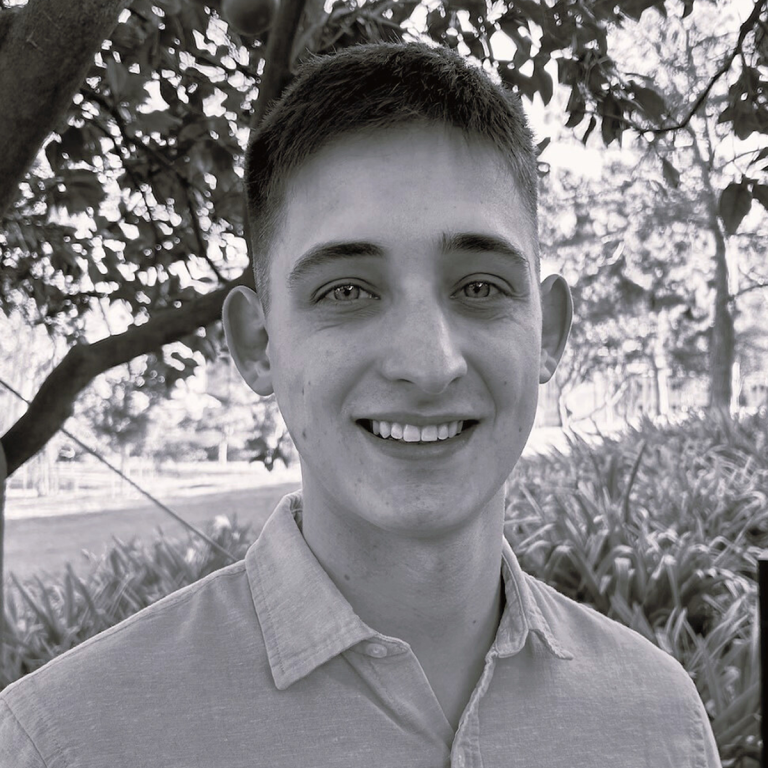
Tensegrity Robots for Space Exploration: A Non-Conventional Robotic Paradigm
Space robots must survive harsh conditions, hard landings, and uneven terrain. Many traditional robots are rigid, so unexpected impacts can damage them and limit where they can operate.
My research explores tensegrity robots, a non-conventional design made of rigid rods connected by a network of cables. This structure spreads forces through the whole body, helping the robot absorb impacts, deform safely, and recover its shape, making it a promising approach for future space exploration.
Heat Three
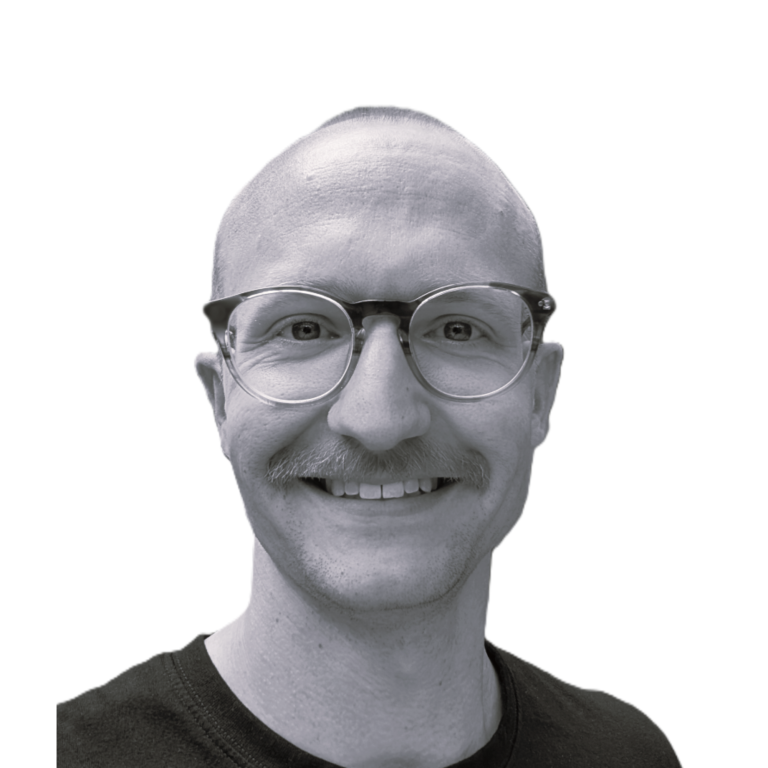
Avoiding Plasma Tearing to Harness the Power of the Sun
Fusion energy could provide abundant, always-on, carbon-free power—but only if the super-hot plasma can be kept stable. A major threat to that stability is a tearing mode, where the plasma’s magnetic structure breaks apart, potentially leading to an uncontrolled termination of the plasma that stops power production and could damage a reactor’s walls.
These disruptive modes do not appear all at once. Instead, they can be seeded by small, harmless disturbances that interact and reinforce one another—much like a playground swing, where well-timed, gentle pushes combine to produce increasingly large motion. Once this growth takes off, the instability becomes difficult to stop.
In this talk, I present an AI-assisted gas-flow controller that intervenes early, making small, timely adjustments to the fuel before the tearing mode can grow. This gas flow keeps the pushes at the playground swing ill-timed, so growth of the instability does not occur. This approach provides a practical stepping stone for protecting future reactors like ITER from self-inflicted damage, helping move fusion energy closer to reliable, commercial operation.

Cutting off cancer’s escape routes: a single drug that stops resistance
Cancer has a frustrating talent: it learns. A treatment can work well at first, but cancer cells constantly search for new ways to survive, slipping out through biological side doors we did not even realize were open. This ability to adapt, to outmaneuver even our best therapies, is one of the biggest reasons cancer remains so difficult to treat.
My research asks a question that sits at the heart of this problem: What if we could stop cancer from adapting in the first place?
I study a new kind of drug designed around a simple but powerful idea. Instead of blocking just one weakness in a tumor, this drug shuts down several of cancer’s escape routes at the same time. I often picture cancer cells as expert escape artists: close one door and they are already crawling out through another. Healthy cells, however, can slow down and conserve energy, almost as if they were settling into a hibernation state, which protects them. Cancer cells never take that break. When all their escape routes close at once, they hit a dead end.
To test this idea, I developed a rapid method to force cancer cells to evolve resistance within just a few months, a process that generally takes six months to one year, and applied it across seven different cancers using multiple standard treatments. These were cells that should have been incredibly difficult to kill. But when I exposed these drug-hardened cells to the new compound, something surprising happened: every single one failed to develop resistance. Even the most stubborn cells were just as vulnerable as they were on day one.
Now I am tackling another challenge. Some cancers survive treatment by slowing their metabolism, entering a low-energy state that makes them harder to eliminate. I am investigating whether this drug can close that escape route, too.
If it can, we may not need more complicated treatment combinations. We may only need a smarter one, a single drug that cancer simply cannot outthink. A therapy that lasts longer, causes fewer side effects, and keeps working even as the disease tries every trick it knows.
That is the future this research points toward: one where cancer runs out of places to hide, and patients gain far more time on their side.

Going With the Flow: What Brain Blood Flow Can Tell Us About Alzheimer’s
Alzheimer’s disease affects millions of families, yet we still don’t fully understand why it develops or how to spot it early. Most people think of Alzheimer’s as a disease of memory, but the brain is also an organ that depends on a steady supply of blood, like a city depends on roads delivering food and fuel. If that delivery system changes, brain cells may struggle long before symptoms appear.
My research focuses on the brain’s “delivery system”: blood flow. I use a type of MRI scan called Arterial Spin Labeling (ASL) that can measure blood flow safely and painlessly, without contrast dye, needles, or radiation. The method works by briefly “labeling” blood as it enters the brain and tracking how quickly it travels in different areas, almost like placing a temporary, invisible tracer on the body’s own blood.
By measuring blood flow and comparing it with memory and other signs of brain health, my goal is to understand when blood-flow changes happen in Alzheimer’s and what they might predict. If we can identify a reliable blood-flow pattern linked to Alzheimer’s risk, it could offer a more accessible way to monitor brain health early, when interventions have the best chance to make a difference.
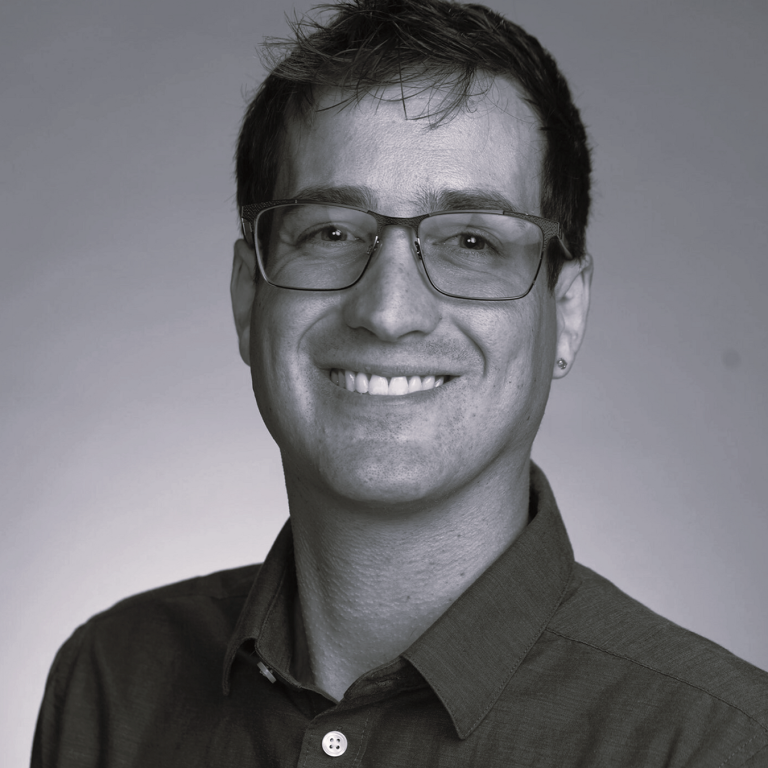
Adaptive Intelligence: Helping Robots See, Think, and Act in the Real World
Autonomous robots often operate with limited computing power, energy, and hardware, yet they are expected to function reliably in complex environments. My research develops adaptive intelligence that allows robots to work smarter: making the most of their limited resources while improving how well they perceive and act. Prior to this work, it was often assumed that improving efficiency comes at the cost of accuracy and performance. Through adaptive intelligence, I have shown that robots can achieve both: conserving energy resources allocated to sensing and computing while enabling faster, more accurate, and more robust decision-making. Greater efficiency also has implications in extended battery life, longer operation, lower financial costs, hosting more concurrent onboard operations, and reducing environmental impact. By combining adaptive sensing and computing with energy-aware operation, my work enables robots to perform autonomous tasks more reliably and sustainably in real-world applications such as exploration, transportation, and disaster response.

Simulation-Based Safety Assessment of Connected and Automated Vehicles under Control and Cyber-Physical Uncertainty
Cities are beginning to share the road with Connected and Automated Vehicles (CAVs), but connectivity alone does not guarantee safety. In mixed traffic, especially at intersections, merges, and bottlenecks, small errors or unreliable information can trigger dangerous multi-vehicle conflicts. Common safety metrics like time-to-collision often miss these complex interactions and do not reflect how advanced CAV control strategies change risk.
My research builds a simulation-based framework to measure and reduce CAV safety risk, while also addressing a key concern: cybersecurity threats that can corrupt the data CAVs rely on. I simulate realistic scenarios such as signal-timing (SPaT) eco-driving and network-level control, then convert vehicle trajectories into a forward-looking risk score using a Vehicle Tube Model. To make this scalable, I train a fast machine-learning surrogate (a Wide and Deep Neural Network) that predicts risk accurately without running expensive simulations.
I embed this risk predictor into optimization models that design CAV strategies to lower crash risk while maintaining mobility and energy efficiency. Finally, I test resilience under cyber-attacks such as false data injection, communication delays, and compromised vehicles, and develop safety-aware control methods that remain robust when information cannot be trusted.
This work delivers tools to evaluate, optimize, and harden CAV operations so that future transportation systems are not only efficient, but measurably safer and more cyber-resilient.

The Hidden Power of Comparison: Why Being Compared Can Make You Try Harder or Give Up
Being compared to others is a common experience in everyday life, from classrooms and workplaces to online platforms. Companies face similar comparisons when they see competitors receive better deals, more visibility, or special recognition. Yet comparison does not always lead to the same outcome. Sometimes it motivates greater effort. Other times it leads to frustration, withdrawal, or disengagement.
My research asks why the same comparison can produce such different reactions. Using real world data and experimental evidence, I show that comparison itself is not the problem. What matters is how the situation is presented and whether comparison is experienced as an opportunity to improve or as a threat of falling behind. When comparison feels like an opportunity, people and organizations respond with increased motivation and innovation. When it feels like a threat, they become defensive and are more likely to hold back or give up.
This research highlights the hidden power of comparison in shaping motivation, trust, and decision making. It offers practical insights for organizations, platforms, and leaders who rely on rankings, evaluations, and performance comparisons, and shows how thoughtful design can turn comparison into a source of growth rather than discouragement.

A Microscopic Solution to a Macroscopic Problem
Measuring the viscosities of high-value materials at the microscale with minimal waste is essential for increasing turnaround times for drug development. Currently, viscometers, or machines that measure viscosity, on the market fail to meet these needs as they can only process 1-10 samples at a time and require large (40-100μL) loading volumes for accurate readings. Previously, fluorescence correlation spectroscopy (FCS) has been used to predict viscosities using micro-volumes. Unfortunately, this sensitive laser-based microscopy technique cannot be automated for multi-sample processing, as the hardware is expensive and it requires expert training. To solve this problem, we used a low-cost camera-based microscope, micro-beads, and a particle tracking system to measure the viscosities of multiple solutions using a 10μL working volume. Using a camera keeps the cost low, the system can be easily automated and implemented into an industrial workflow, and the finalized device is simple enough to be used with minimal training. Viscosity readouts obtained using this method will allow for multi-sample imaging on a single chip using small (10μL) volumes, revolutionizing the efficiency of sample selection during drug development.

A Cross-Platform Analysis of Safety, Security, and Privacy Mechanisms in Social Virtual Reality
Social Virtual Reality (VR) platforms enable immersive social interaction but also expose users to new security, privacy, and safety risks.
Prior work has extensively examined users’ concerns about harassment, surveillance, and data exposure in these environments, leading platforms to deploy a range of protective mechanisms, such as blocking, reporting, moderation, anti-cheat engines, and personal-space tools.
However, how users perceive, evaluate, and interact with these safety, security, and privacy features remains underexplored.
In this paper, we investigate user perceptions and experiences of platform-level protective mechanisms in social VR through a mixed-method approach.
We first conduct cognitive walkthroughs of security and privacy features across three major social VR platforms to systematically document their design and functionality.
We then perform a large-scale qualitative analysis of 15.8 million posts from seven VR-related Reddit communities to characterize user discourse around these features.
Our findings reveal recurring concerns about the effectiveness, fairness, and transparency of platform mechanisms.
Users report misuse of moderation powers, limited recourse in reporting processes, and ineffective blocking features. They also discuss the privacy implications of logging and anti-cheat systems, as well as the trade-offs between safety and immersion in personal-space tools, while simultaneously relying on these tools for protection.
These findings highlight persistent tensions between safety, autonomy, and privacy in social VR ecosystems.
Based on our findings, we synthesize recommendations for the design of verifiable, privacy-preserving, and user-controllable safety infrastructures in immersive platforms.

When AI Has All the Answers, How Do We Keep Our Own Voice?
In the age of artificial intelligence, information is easier to access than ever before. AI can quickly provide answers, summaries, and suggestions, making it seem as if thinking has become effortless.
Drawing on my personal experiences growing up in a single-parent, low-income household and later working as a volunteer teacher in Xinjiang, my research explores why access to information does not always lead to independent thinking.
I examine how AI can reinforce information bubbles and gradually weaken our confidence in our own judgment, highlighting the continued importance of critical reflection and human agency in an AI-driven world.

Can Science Teach Its Own Critique?
What happens when science teachers decide to teach about science’s role in war, environmental destruction, and inequality—while still teaching science itself? For my dissertation, I spent two years with educators who face this paradox daily: a chemistry teacher who redesigned the periodic table to show how mining fuels climate change, a physicist who taught political theory alongside quantum mechanics, and high school teachers creating lessons about environmental racism in their communities. I traced this tension back sixty years, from 1970s radicals who opposed the Vietnam War while training the next generation of scientists, to today’s feminist scholars weaving gender theory into biology courses, to contemporary teachers navigating “trauma-informed” and “culturally inclusive” science curricula. What I discovered surprised me. These teachers aren’t abandoning science. They are transforming it from within. By making power visible in the classroom, they’re changing what counts as a scientific question, who gets to ask it, and how we teach future generations to think critically about the knowledge that shapes our world. At a time when science is both celebrated as objective truth and criticized for perpetuating injustice, understanding how educators navigate this tension matters. Their work shows us that science can hold space for wonder and discovery alongside honest reckoning with its role in systems of power, and that the classroom might be where our most important conversations about science and society actually happen.
Heat Four
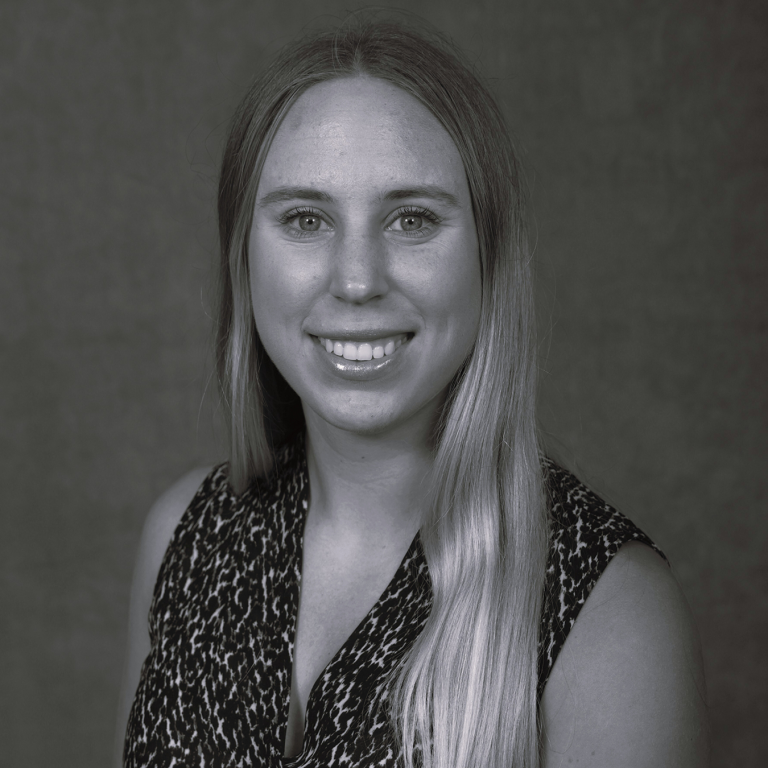
The Potassium Movie
Today, we live in a world where we can continuously track our steps, heart rate, and sleep from a watch on our wrists or a ring on our fingers. In medicine, the invention of the continuous glucose monitor has transformed how people with diabetes manage a critical life condition. These devices have allowed us to track what is going on inside our bodies in real time, something we have never had access to before, and have empowered millions of people to take back control of their health and life.
For potassium, a molecule that is vital in keeping your heart beating, we’re still relying on the occasional blood test.
Potassium levels that are too high or too low can cause cardiac arrythmias, or irregular heartbeats, and can cause one’s heart to stop. This often happens to people with kidney diseases, those taking certain medications such as diuretics, and people with comorbidities such as diabetes.
Potassium imbalance is a silent killer. Potassium levels routinely change without symptoms. Often, when people realize something is wrong it is because something has gone really wrong.
Currently, patients with kidney disease and related disorders have their blood drawn about once a month. However, these blood tests don’t give an accurate representation of what is really going on in their bodies. Taking a blood test once a month is like looking at a single frame from a video when what we really need is to see the whole movie. It’s like viewing a snapshot from a horror movie right before something bad happens. The character doesn’t know they are walking into something bad, but if they knew beforehand, they could take action to change the outcome.
This is the focus of my research.
I’m a PhD student in biomedical engineering, and I work on developing a teeny tiny, biosensor, about the size of a few strands of hair. The sensor is inserted under the skin and can continuously track potassium levels for several days. Instead of relying on monthly blood tests, my goal is to provide ongoing information, or the entire movie, that shows in real time how potassium levels are changing. Similar to the glucose monitor for diabetes, the sensor I am developing will alert patients when their potassium levels are getting too low or too high so they can make a change before having a life-threatening event.
But this isn’t just about potassium.
It’s about continuing to move medicine from snapshots to continuous insight; from reacting to emergencies to preventing them before they even happen; and empowering people with kidney disease and chronic illness to take back their lives rather than live in fear.
When it comes to something as vital as the rhythm of your heart, waiting for the next blood test may be waiting too long.
Thank you.
From Tool to Teammate: Designing AI that helps everyone belong
Think about the last group project you worked on. One person probably talked the most. Another student — often someone from a marginalized background — had good ideas but barely got a chance to speak. Group work is common in classrooms, but whose voices get heard is not always fair.
As AI becomes part of these group projects, a new puzzle emerges: when AI teams up with humans, does it help more students participate, or does it end up siding with the loudest voices?
My research tackles this by rethinking how AI works with humans during group problem solving. Instead of treating AI as a background tool, I study what happens when AI acts like a teammate, and how that partnership shapes group conversations. While AI has the potential to support collaboration, it can also quietly repeat the same patterns of exclusion that already exist.
I look closely at real group discussions to see when AI shifts who speaks up, who gets acknowledged, and whose ideas actually drive decisions. I then test different ways AI can behave — as an avid listener, a micromanaging facilitator, or a ghosting teammate — to find designs that help balance participation and make collaboration more inclusive.
The big takeaway is this: as AI becomes a regular teammate in group work, we have a choice. If designed carelessly, it can reinforce inequality. But if designed intentionally, AI can help create classrooms where more students feel heard, valued, and able to belong.

HIV’s Last Wake Up Call
Human immunodeficiency virus (HIV) remains a global health concern. 40 million people are currently living with HIV, and another 40 million have died of acquired immunodeficiency syndrome (AIDS)-related diseases such as certain cancers and diabetes. Despite major advances in anti-HIV medication that prevent HIV spread, saving millions of lives, dormant infected cells remain a significant barrier to developing a cure. HIV can hide in these cells for decades, allowing it to reactivate once someone stops taking medication. Thus, a true HIV cure requires complete removal of all dormant infected cells.
Our lab studies the “kick and kill” strategy, a two-pronged approach where a drug first “kicks” HIV awake from dormancy. Anti-HIV medication taken at the same time ensures awakened HIV cannot replicate, while the immune system recognizes and kills the cell. The ideal drug possesses three critical traits: awakens HIV, doesn’t hurt healthy cells, and helps kill infected cells. We’ve already identified promising drugs that fulfill these criteria and are on our way to continue improving them. By doing so, we can gain a better understanding of how HIV persists while contributing to innovations in therapeutic approaches, with the hopes of ultimately achieving a more accessible cure for HIV.
Decisions at the Edge of Disaster
Nuclear weapons are often framed as relics of the Cold War, while emerging technologies like artificial intelligence are treated as novel but manageable innovations. In reality, catastrophic risks are becoming more urgent as these weapons systems persist alongside rapidly evolving technologies and fragmented global politics. Today’s security challenges are now about how states and institutions interpret risk, uncertainty, and responsibility under pressure. My research examines how different actors make decisions in the face of catastrophic risk, and why understanding diverse decision-making processes is critical for navigating contemporary international armament and security dilemmas. States do not assess danger in the same way, nor do they share common assumptions about escalation, restraint, or acceptable risk. When these differences go unrecognized, efforts at arms control and international coordination become increasingly misaligned. To address this gap, my work develops a new way of mapping the differences in how states understand and respond to catastrophic risk across political and institutional contexts. By making these divergences visible, my research offers novel tools for anticipating conflict and designing security strategies better suited to today’s complex risk environment.
Music for the Brain and Body: Methods of Composing with Psychoacoustics
Psychoacoustics is the study of how we perceive and understand sound, drawing on fields such as psychology, acoustics, physiology, and computer science. Through studying psychoacoustics, we are able to gain insights on subjects such as melody perception, our ability to contextualize sounds, and auditory illusions. This presentation will both explore selected psychoacoustic processes and phenomena and provide examples for how they can be applied to music composition and performance. These psychoacoustics-based compositional techniques will expand the possibilities of what can be achieved through music, giving composers and performers access to tools that will allow them to explore the psychological and physical effects of sound through their work. Presenting psychoacoustics research through music in this way will also help audiences to more easily understand the science behind sound and the direct impact of this research on their lives.
Creators as Employees
Historically, there has been a social stigma against independent contractors, which continues today. Traditionally, independent contractors were relegated to specific fields, such as “doctors, dentists, veterinarians, lawyers, accountants, contractors, subcontractors, public stenographers, or auctioneers.” Many of these professions benefit from high levels of education and, as a result, knowledge as to the pros and cons of this form of employment.
With emerging markets and new employment opportunities, independent contractor status has been on the rise. Rideshare drivers, delivery workers, and many other low-income professions have shifted from employee to independent contractor status. These harms are disproportionately shifted onto groups with low levels of education, who frequently do not realize that the myth of ‘more money in your pocket today’ does not account for the higher tax burdens and loss of Federal Labor Protections.
Nowhere is this harm more devastating than in the creator economy. ‘Influencers’ ranging from toddlers to elderly people are dominating the e-commerce space. As a result, companies like TikTok, Twitch, Instagram, and YouTube can profit from the hard work of creators. Most influencers are treated as independent contractors. As a result of this status, ‘Influencers’ are required to pay large sums of money in taxes and are frequently exploited by the companies they represent.
This article will discuss the issues facing creators today, as well as forward the argument that they should be considered employees both under existing law and for the purposes of equity under the law.
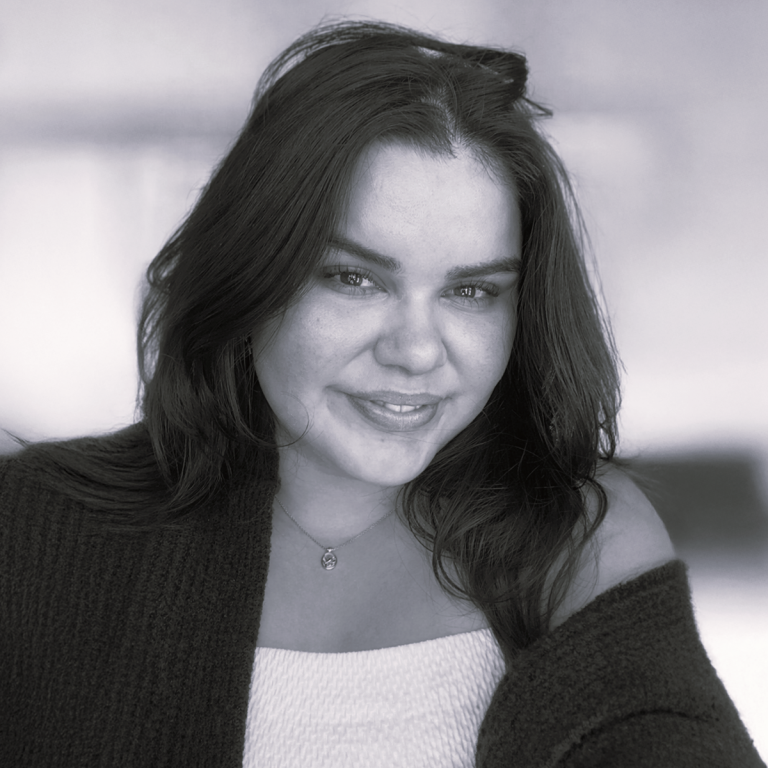
Faith or Fiction?
My research explores an eternal question about authenticity and faith by examining a young woman’s religious conversion in Christopher Marlowe’s 16th-century play The Jew of Malta. Fourteen-year-old Abigail, a Jewish girl manipulated by her father and heartbroken by her lover’s murder, converts to Christianity and enters a convent. The story of her conversion raises profound questions still relevant today: How can we judge the sincerity of someone’s faith? What makes a conversion authentic?
Using the theological writings of Richard Hooker, the most prominent religious thinker of Marlowe’s time, my research investigates whether Abigail’s conversion was real and in earnest. This distinction matters because in Elizabethan England, much like in many societies today, people faced extraordinary pressure to conform to dominant religions, creating widespread anxiety about distinguishing true belief from strategic performance. Understanding how historical communities grappled with these questions illuminates ongoing debates about religious authenticity, forced conformity, and personal agency.
Marlowe scholars unanimously consider Abigail’s conversion to be a sham. Her initial conversion, early in the play, is deceitful, so academics maintain that her second conversion is just as disingenuous–merely a last-ditch grasp at comfort after the devastation of her lover’s death. Such assumptions neglect to consider Abigail’s conversion through a theological lens and minimize the capacity Abigail has for real change and growth.
My research reveals that Abigail’s transformation stems from genuine spiritual awakening rather than sheer grief or desperation. Despite never receiving formal baptism before her death, her words and actions demonstrate authentic faith according to the theological standards of her era. Her story challenges simplistic judgments about conversion and reminds us that even vulnerable, marginalized voices—young women, religious minorities, and those manipulated by powerful figures—can exercise agency and find authentic spiritual paths.
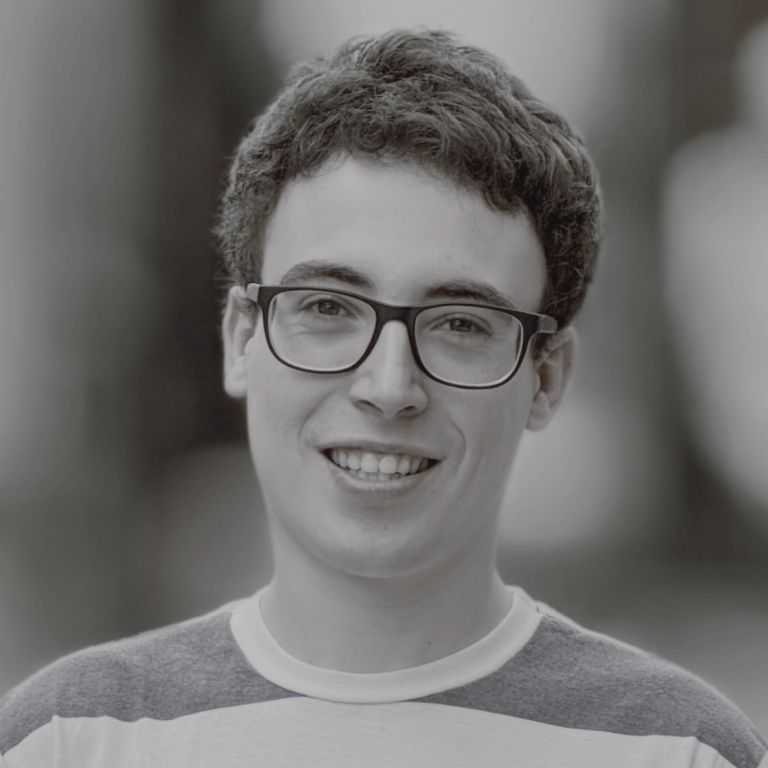
Asymmetric tension–compression connectivity governs deformation delocalization in truss-based metamaterials
Failure in most material systems is characterized by strain localization, where deformation concentrates within a narrow region. Recently, a class of truss-based metamaterials has been shown to undergo severe deformation without exhibiting localization. The mechanisms underlying this unusual delocalized response remain unknown. Here, we employ graph theory to elucidate the origins of this behavior. Each lattice is represented as a pair of graphs—the tension and compression networks—and their topological properties are quantified using graph-theoretic metrics. We find that the onset of localization correlates strongly with connectivity measures of these graphs. Specifically, deformation delocalization arises from an asymmetry in connectivity between these networks: when the tension graph remains more connected than the compression graph, deformation spreads throughout the structure instead of localizing. Connectivity measures such as average global efficiency capture this transition quantitatively. This framework provides design principles for creating materials and metamaterials that intrinsically resist failure localization.
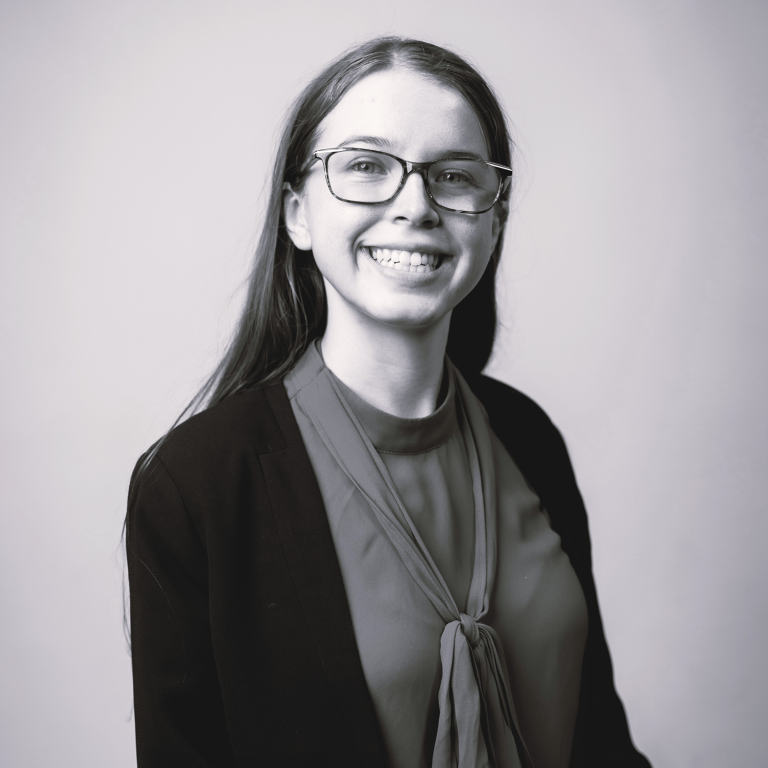
Physical Activity in an Aging and Changing Climate
It’s hot outside, and your grandma wants to go to swing class. While your grandma can still bust a move, she can’t break a sweat like she used to. Sweat glands deteriorate with age, so she can’t cool herself down easily. Swing dancing, too, poses a risk – the physical activity creates additional heat. When is it hot enough outside to worry about Grandma’s health?
I introduce an improved way of understanding heat risk – a new human heat balance model. This model combines environmental factors, like temperature, humidity, and sun exposure, with physiologic factors, including age, weight, and clothing. Under these conditions, the model calculates what level of physical activity is safe – swing dancing, a short walk, or nothing at all.
With climate change, will we be able to safely do the physical activities necessary for life – like exercise, occupational labor, or household chores? I apply this human heat balance model to state-of-the-art climate models. My results suggest that physical activity will become unsafe during many times of the year, for young adults and Grandma alike. Heat will impact us all if we don’t prepare now.

Heat Five
Unlocking the Secrets of Depression: How Loneliness Rewires the Brain
Hippocampal disturbances contribute to memory and cognitive issues in Major Depressive Disorders (MDD). To advance treatment strategies, we must understand how depression alters circuit-level operations in this structure. Our study reveals that a depression-like syndrome in mice disrupts information flow across the primary hippocampal circuit by interfering with low-pass filtering in a network node.
Single-housing young adult mice for 7-10 days reduced social interactions, increased despair-like behavior, eliminated novelty preference, and impaired temporal encoding. The lateral habenula, involved in depression, also showed unusual activity in single-housed mice.
In group-housed mice, cortical input at theta frequency (5Hz) transmitted with minimal distortion to CA1 output in hippocampal slices. However, there was a pronounced reduction in CA1 response to beta (25Hz) and gamma (50Hz) frequencies. This low-pass filtering was markedly reduced in single-housed mice.
Signal transformations were normal at the first circuit stage in single-housed mice, but beta filtering was lost within field CA3. We conclude that depression-like phenotypes interfere with inhibitory regulation of recurrent excitatory activity within CA3, disrupting hippocampal signal processing. This research provides insights into circuit-level changes in depression and potential targets for treatment development.

Sonic Rites
My research integrates arts, science, and indigeneity. As a doctoral student with Andean roots, I developed my artistry through an interaction between Pre-Columbian and modern musical technologies, guided by the Andean principle of “Yanantin,” which portrays the complementation of opposites. Through this lens, I honor Andean philosophy and the intellectual legacy of Indigenous peoples of the Americas, bringing it into conversation with Western academia to embody Yanantin itself. My work focuses on replicating Pre-Columbian clay instruments while incorporating motion sensors, sound spatialization, video projection, and biosignals. Artistically, I draw inspiration from my Andean heritage, particularly my participation in the annual pilgrimage to the Lord of Qoyllur Rit’i in Cusco, Peru. This tradition is recognized by UNESCO as Intangible Cultural Heritage of Humanity, and one I regard as another form of ancestral Academia.
This background shapes my expertise in integrating indigenous knowledge with academic research and artistic performance. The Claire Trevor School of the Arts at UCI provided an ideal environment for my interdisciplinary approach. There, I connected with Prof. Richard Harris from the Susan Samueli Integrative Health Institute and shared my involvement with traditional sound healing practices and the use of biosignals in artistic performance. He subsequently invited me to join his research team as a postdoctoral scholar. Our project, “Sonic Rites,” investigates how sound affects altered states of consciousness in ancestral Indigenous healing practices. Shamanic traditions widely employ drums and rattles in their rituals, and this research recognizes these practices as evidence of sophisticated psychoacoustic knowledge applied to healing. Dr. Harris’s pioneering trajectory demonstrates how traditional knowledge can inform modern neuroscientific research. The serendipitous chance to join his team will allow me to expand my knowledge of biosignals while also generating the publication of neuroscientific literature. This highly professional experience in a medical context will inform my artistry and enrich my job opportunities. I am thrilled for the chance to grow artistically while contributing to medical science, all while honoring the Indigenous intellectual legacy of the Americas. I look forward to sharing my story in the next Grad Slam, which is unfolding beyond my dreams, thanks to UCI.

Thinking from First Principles: How Going Back to Basics Improves Decision-Making
In many areas of life, we are taught frameworks, best practices, and step-by-step methods to guide decisions. But I found that having more tools does not always lead to clearer thinking. In my experience across graduate coursework, project work, and everyday planning, the most effective approach has been thinking from first principles: breaking a problem down to what must be true, before deciding what to do. In this presentation, I show how going back to basics can cut through noise, clarify priorities, and improve decision-making when time, information, or confidence is limited. Using simple, relatable examples, I explain how first-principles thinking can be applied in academic work, practical problem-solving, and personal time management.
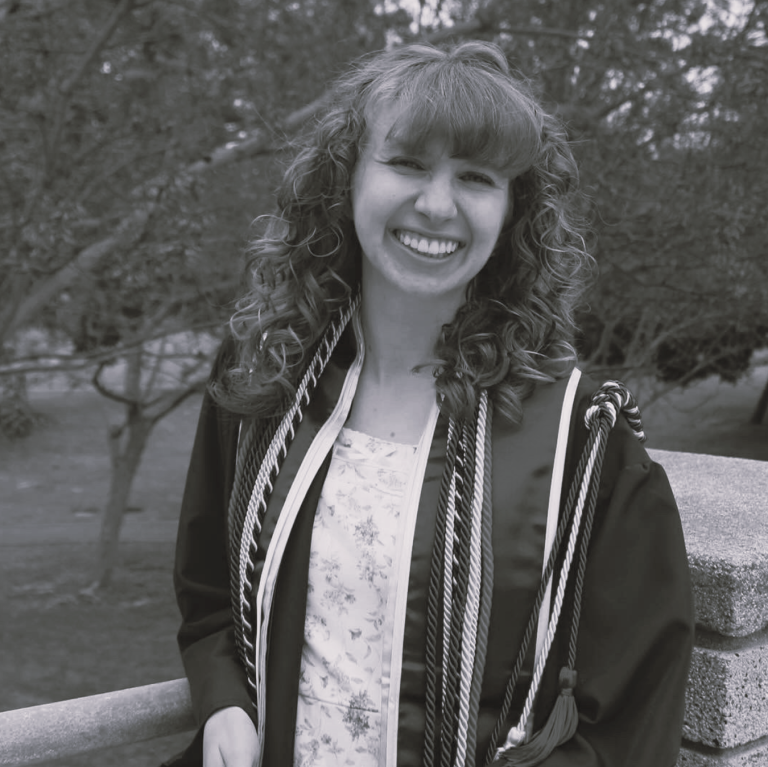
Following the Tau Trail: Using Brain Imaging to Predict Alzheimer’s Disease
Alzheimer’s disease is a rapidly growing challenge as our world’s population ages. For many years, neuroscientists have been working to understand the causes of this disease, how to prevent it, and how we can detect it as early as possible. However, one major challenge is that by the time memory problems appear, Alzheimer’s disease has already been developing quietly in the brain for several years.
During this development phase, harmful proteins begin to build up in the brain. One of these proteins, called tau, is believed to increase shortly before cognitive decline is noticeable. Currently, the most reliable way to detect tau in the brain is with a PET scan. These scans are extremely expensive and require injection with a radioactive substance, making them inaccessible to most people. But what if we could detect tau using a more common brain scan?
In a recent study, we used information including demographics and standard brain MRI scans to predict whether a person has tau built up in their brain. MRI is a commonly used imaging tool that allows us to measure and calculate brain features such as the size and thickness of different regions. We also used a special MRI method that looks at how existing water moves through brain tissue. Changes in the water movement can reflect miniscule changes in the brain, such as damage to brain cells that occurs during Alzheimer’s disease. By analyzing this combination of brain metrics using machine learning methods we were able to identify and predict individuals with tau positivity with a high accuracy without the need for a PET scan.
As new treatments for Alzheimer’s disease become available in the upcoming years, these findings could help identify who may benefit from treatment, making these treatments more accessible, as well as finding more accessible ways to diagnose Alzheimer’s disease.

Bridging the (Depth) Gap: Quantifying Rooting Depth to Predict Plant Water Stress
California spends billions of dollars each year on irrigation and wildfire response, yet we still struggle to predict when plants are truly running out of water. As the climate warms, the air pulls more moisture from plants and soils, increasing stress on crops and natural ecosystems. However, we see plants often continue to grow even when surface soils appear completely dry.
This project explores where plants actually get their water. Most measurements only capture moisture in the top layer of soil, but many plants have roots that reach much deeper. By combining ground-based observations, computer models, and satellite data, I identify how deep plants access water and how this depth affects their ability to cope with hotter, drier conditions.
Understanding how plants use deep water will improve predictions of crop stress, irrigation needs, and wildfire risk across California. These insights can help farmers, land managers, and fire agencies use water more efficiently and prepare ecosystems for a changing climate.

AI-mediated Knowledge Construction: When the Third Voice Joins to Knowledge Building Conversation
The content we consume every day is increasingly likely to be written by AI. A recent report shows that AI is used to write news articles in major publications. This trend also affects children, as a BBC report found more AI-generated content appearing on YouTube Kids. As AI becomes more sophisticated, it seems likely that more people will use it to create content.
While our first impression of this might be negative, thinking that AI-generated content may be unreliable or impersonal, recent studies show that AI assistance for content generation might also help make information more accessible. For example, a PNAS study found that AI can make scientific abstracts more understandable to lay audiences. My own study, recently accepted by the International Journal of Human-Computer Studies, suggests that when researchers use AI to assist their writing for public science communication, it helps make their content richer and language more accessible while raising their awareness of how the public might receive their writing.
It is, thus, important to understand both the potential benefits and risks of using AI for informational content creation from the perspectives of both sender and receiver. For the sender, the key question is how AI can enhance content quality while preserving agency and cognitive effort. For the receiver, the question is which aspects of AI assistance improve comprehension and whether disclosure of AI involvement affects trust and credibility. And more broadly, how AI mediates discourse and communication patterns between sender and receiver. My research directly addresses these questions. I first synthesized research on cognitive and social knowledge construction to develop a conceptual framework explaining these issues from the micro perspectives of sender and receiver cognition and the macro perspective of social discourse patterns. Building on this framework, I designed three experimental studies to empirically investigate these questions.

Unlocking the Flow: A Linear-Time Approach to Saving the Planet
From the air conditioning, car designs to the aerodynamics of the aircraft flying overhead, we often take the technology of fluid dynamics for granted. Yet, mathematically, we have barely scratched the surface of the Navier-Stokes equations which govern these flows. Currently, simulating these equations is computationally exhausting, largely because solving for pressure requires immense processing power.
My research introduces a novel solver called VPNS (Variational Projection Navier-Stokes). By utilizing a method called variational projection, we have developed an algorithm that scales linearly—meaning we can simulate complex fluid behaviors without ever solving the traditional, resource-heavy pressure equation. This efficiency allows us to view fluid flows through the fresh perspective of control theory and dynamical systems. Beyond faster computers, this breakthrough provides the mathematical leverage necessary to model chaotic global systems, offering us a critical new tool in predicting climate patterns and combating climate change.

Indoor GPS system
This project develops a simple indoor tracking system to monitor the movement of people, pets, and small objects inside a house. It works like a GPS for indoor spaces, allowing users to remotely check locations where traditional GPS does not work. The system improves safety, convenience, and peace of mind in daily life.

Denaturalizing Naturalization: How State Media and Migrants Redefine Belonging
Despite formal citizenship serving as a material and symbolic mechanism that secures rights, welfare, and identity, many populations migrate to and remain in contexts where citizenship is difficult or impossible to attain. Similarly, states also face a continued paradox wherein they must compete in the global market for human capital to attract and retain talent while maintaining restrictive migration and citizenship pathways. With citizenship pathways globally becoming increasingly restrictive, how do noncitizens residing in such contexts reconcile their belonging with exclusionary state policies? And how do states attract and retain high-skilled labour without granting them formal belonging? Situated in the Gulf Cooperation Council (GCC) context, my grassroots, community-engaged research argues that citizenship is increasingly disconnected from the granting of rights, belonging, and identity. States communicate inclusion through multicultural policies and pro-immigrant media rhetoric while maintaining closed citizenship pathways and migrants produce mixed discourse that asserts in-practice belonging while reinforcing states’ race-based nationality policies.
Deeper and Virtuous Learner-AI Interactions
Generative AI tools like ChatGPT are rapidly becoming an integral part of students’ everyday academic life. While these tools promise efficiency and access to knowledge, they also raise a critical concern: are students learning more, or learning less? My research investigates how students interact with generative AI and how these interactions can either hinder or deepen meaningful learning.
Through an observational study of UCI undergraduates, I found that about 70 percent of students used generative AI in academically concerning ways, including copying and pasting AI-generated text and presenting AI-produced ideas as their own. Many students denied using AI at all, revealing a growing culture of mistrust and confusion about academic integrity in the age of AI.
Rather than treating generative AI as something to ban or fear, my dissertation explores how students can engage with AI in more intellectually virtuous ways. Grounded in UCI’s Anteater Virtues, including intellectual humility, curiosity, integrity, and tenacity, I study how students can learn about these virtues through direct interaction with AI chatbots themselves.
In the design phase of my work, undergraduate students co-design chatbots that deliberately embody intellectually virtuous or viceful characters. By interacting with these chatbots, students encounter philosophical problems such as honesty, intellectual humility, and perseverance in concrete and hands-on ways rather than as abstract ideas.
Using a three-phase approach of observation, participatory design, and a randomized controlled experiment, my work aims to transform generative AI from a source of shortcuts into a catalyst for intellectual growth. Ultimately, this research asks how AI can help students not just complete assignments, but become virtuous thinkers.